 1300 735 077
Fabric Roller Blinds Melbourne: The Complete 2026 Guide
Alfresco Blinds Co
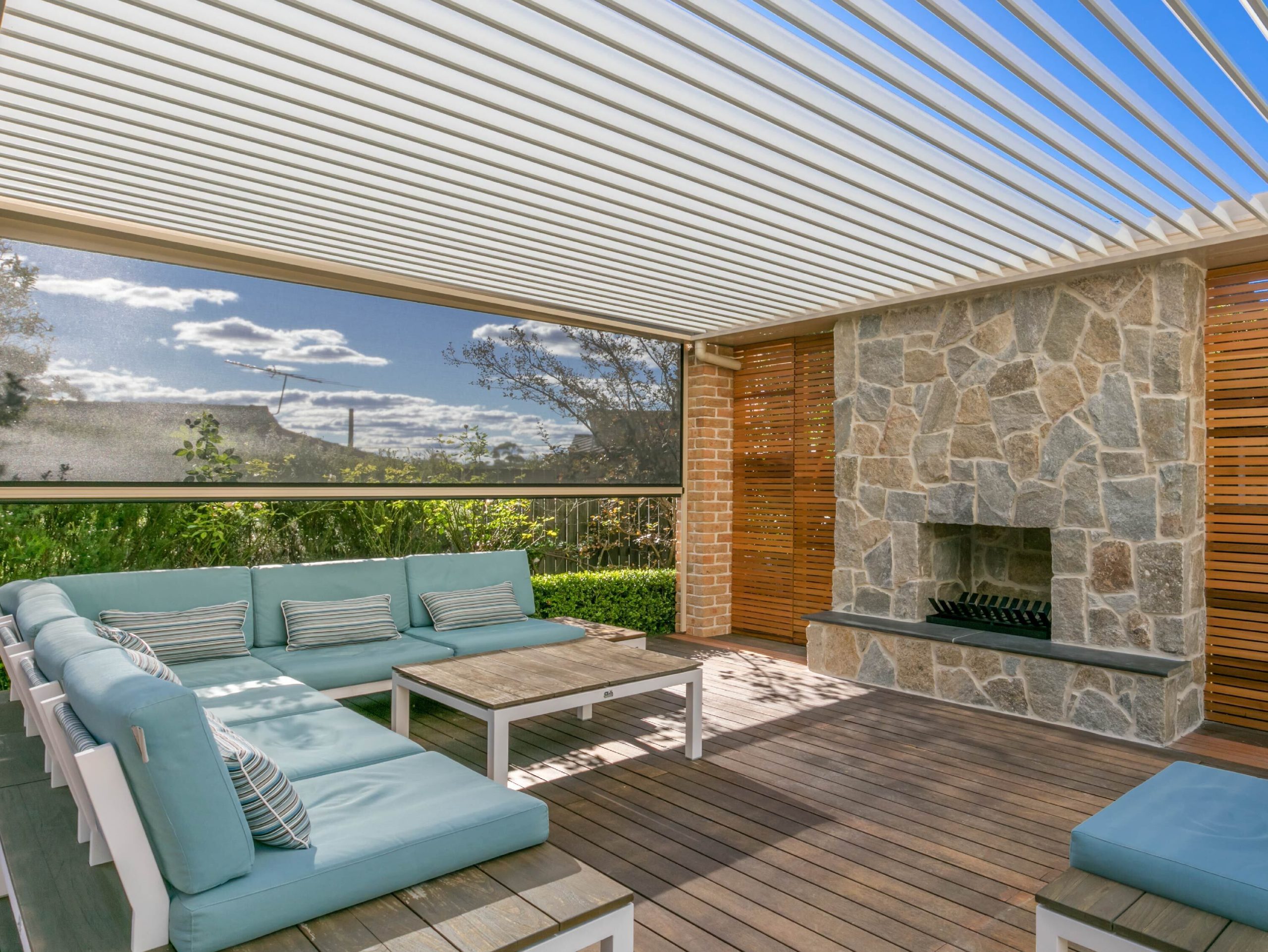
Fabric roller blinds are Melbourne’s most versatile window covering — combining light control, thermal performance, and clean aesthetics in a single, space-efficient solution. Whether you need full blockout for a bedroom, UV-filtering sheer fabrics for a sun-drenched living area, or a motorised system for high or hard-to-reach windows, custom-made roller blinds fitted precisely to your openings outperform off-the-shelf options in every measurable way. This guide covers everything: fabric types, climate performance, installation, motorisation, cleaning, and how to choose a Melbourne supplier who’ll actually get the job right.
If you’ve ever stood in a Melbourne living room at 2pm on a 38-degree January afternoon, squinting through cheap venetian blinds while the air-con fights a losing battle, you understand exactly why window coverings matter. Melbourne’s climate is genuinely unique — the Bureau of Meteorology consistently records some of the country’s most significant daily temperature ranges, and UV intensity across summer months rivals tropical regions in raw exposure terms. That combination makes the choice of window covering a functional decision, not just an aesthetic one.
Fabric roller blinds have become the go-to solution for Melbourne homeowners who want a window treatment that actually works — that controls light precisely, reduces heat transfer, looks effortlessly clean in both period homes and contemporary builds, and holds up over the years without constant maintenance. The challenge is that not all roller blinds are created equal. The difference between a roller blind that lasts 12 years and one that’s yellowing and warping inside three years comes down to fabric specification, construction quality, and custom fitment — and that’s exactly what this guide unpacks.
Blockout, Sheer, or Sunscreen — Which Fabric Roller Blind Do Melbourne Homes Actually Need?
The single biggest mistake Melbourne buyers make when choosing roller blinds is selecting a fabric based on how it looks in a showroom rather than how it’ll perform in their specific room orientation and usage pattern. Here’s the breakdown you actually need:
Blockout Roller Blind Fabrics
Blockout fabrics incorporate a foam or acrylic coating — typically applied to the back of a woven polyester base — that prevents virtually all light transmission. When properly fitted with side-channels or cassette systems that eliminate light gaps, they’re genuinely effective for:
- Bedrooms facing east or north in Melbourne’s layout
- Home theatres and media rooms
- Nurseries and children’s rooms
- Shift workers requiring daytime sleep
One important nuance: the term “blockout” applies to the fabric, not the installation. A blockout blind with side gaps — common in cheaply made roller systems with standard brackets — will still let in significant light around the edges. This is why cassette-enclosed systems and side-channel tracking are worth specifying if true light elimination is your goal.

Sheer and Light-Filtering Roller Blind Fabrics
Sheer roller fabrics allow diffused natural light into a room while softening glare and providing daytime privacy. They’re not sunscreen fabrics — they don’t offer meaningful UV protection or heat rejection, but they transform harsh direct sunlight into soft ambient light that’s comfortable to live with. Best suited for:
- South-facing rooms in Melbourne that receive indirect, flat light
- Dining rooms and kitchens where atmosphere matters
- Spaces with valuable furnishings where some UV protection is needed but visual openness is a priority
Sunscreen Roller Blind Fabrics — Melbourne’s Climate-Smart Choice
Sunscreen fabrics are woven with specific openness factors — typically rated from 1% (near-opaque) to 10% (very open). The openness factor determines how much light, UV, and outward visibility is maintained. A 3% openness sunscreen fabric, for example, blocks significantly more heat and UV than a 10% openness fabric while maintaining usable outward views during daylight hours.
For Melbourne homes with north-facing living areas — the orientation that maximises passive solar gain in winter but creates summer overheating challenges — sunscreen fabrics in the 3–5% openness range offer the best balance. They reduce solar heat gain coefficients meaningfully while preserving the connection to outdoor spaces that Melbourne homeowners value.
According to the Australian Government’s Your Home design guide, appropriate window shading can reduce summer cooling loads by up to 40% in Melbourne’s climate zone — making fabric selection a genuine energy efficiency decision, not just an aesthetic one.
Why Custom Blinds Beat Off-the-Shelf Options in Melbourne Homes
Melbourne’s housing stock is extraordinarily diverse — from Victorian-era terraces in Fitzroy with non-standard window proportions to contemporary Docklands apartments with floor-to-ceiling glazing, to sprawling family homes in the eastern suburbs with bay windows and architectural features that standard sizing simply can’t accommodate.
Off-the-shelf roller blinds are manufactured to standard widths and dropped to approximate heights. The result is almost always a window covering that’s either too narrow (leaving light and privacy gaps at the sides), too short (exposing the lower pane), or both. Beyond the functional problems, the visual result — a blind floating in the middle of a window rather than fitting it — undermines the aesthetic of any room.
Custom-made roller blinds from a local Melbourne supplier are measured, manufactured, and installed to your specific window dimensions. The difference in performance and appearance is significant — and for windows that are even slightly non-standard, custom is the only option that works properly.
How Do Fabric Roller Blinds Perform in Melbourne’s “Four Seasons in One Day” Climate?
Melbourne’s climate is classified as temperate oceanic (Köppen Cfb), but any local will tell you that description undersells the extremes. The city regularly experiences temperature swings of 20°C within a single day, UV Index readings above 11 (Extreme) throughout summer, and southerly busters that drop temperatures 15 degrees in under an hour. Window coverings need to work across all of it.
Here’s how quality fabric roller blinds address Melbourne’s specific climate challenges:
Summer Heat Management
Sunscreen and blockout fabrics with reflective backings reduce solar heat gain significantly. The key metric is the Solar Heat Gain Coefficient (SHGC) — lower is better for summer cooling. Quality sunscreen fabrics can reduce SHGC at the window level by 40–70% compared to unshaded glass, depending on fabric openness and reflectivity. For north and west-facing rooms in Melbourne — which receive the most intense afternoon sun — this translates to a meaningfully cooler interior without compromising views.
Winter Warmth Retention
In winter, roller blinds with thermal-backing add an insulating layer at the glass — the coldest surface in any room. The Building Research Establishment’s research on window insulation confirms that even a single layer of fabric at a window can reduce heat loss through glass by 15–25%, depending on fabric weight and installation fit. In Melbourne’s cooler months (June–August), this contributes meaningfully to heating efficiency.
UV Protection for Furnishings
Melbourne’s UV Index frequently reaches Extreme (11+) during summer, and standard window glass only blocks UVB radiation — not the UVA that causes fading and degradation in furniture, flooring, and artwork. Quality sunscreen roller fabrics can block 95–99% of UV radiation, protecting interiors that would otherwise fade noticeably within a few years of sun exposure. If you’ve noticed timber floors fading near north-facing windows, the right roller blind fabric is the most practical and least intrusive solution available.
Melbourne UV Reality Check
According to the Cancer Council Australia, Melbourne experiences UV Index ratings above 3 (the threshold for sun protection action) for more than eight months of the year. Quality sunscreen roller blind fabrics rated UPF 50+ provide interior protection equivalent to SPF 50+ sunscreen — relevant not just for furnishings but for occupant health in sun-drenched rooms used for extended periods.
Are Motorised Fabric Roller Blinds Worth It for Melbourne Homes?
Motorisation for fabric roller blinds has moved well beyond a luxury add-on — it’s now the practical choice for an expanding range of Melbourne homes and situations. Here’s when motorised roller blinds make genuine sense:
- High windows and skylights — Raked ceilings and clerestory windows are increasingly common in Melbourne contemporary builds. Manual chains on high windows are awkward and potentially unsafe. Motorisation eliminates the problem entirely.
- Wide windows and stacking multiple blinds — Wide-format windows spanning 2–4 metres are better served by motor systems that ensure even, controlled operation. Manual operation on very wide blinds often results in uneven rolling that stresses the fabric over time.
- Households with accessibility needs — Motorised blinds operated by remote, wall switch, or smart device remove barriers for elderly or mobility-impaired household members.
- Smart home integration — Roller blind motors compatible with Google Home, Amazon Alexa, Apple HomeKit, and automation platforms like Control4 allow scheduling, voice control, and integration with temperature or UV sensors. Automated morning and evening scheduling is genuinely useful for bedrooms and home offices.
Motor Types: What Melbourne Buyers Should Know
There are three main motor categories for fabric roller blinds in the Australian market:
- Battery-powered motors — No wiring required. Rechargeable via USB-C or solar charging strips. Ideal for rental properties and retrofits where chasing cables isn’t viable. Typically provide 12–18 months per charge under normal use.
- Hardwired 240V motors — The most reliable option for permanent installations. Requires electrical work (a licensed electrician in Victoria). Preferred for new builds and major renovations where wiring is accessible.
- Solar-powered motors — Solar charging strips integrated into the blind cassette or positioned nearby power the motor via rechargeable battery. Most effective in high-sunlight locations — north-facing windows in Melbourne receive sufficient sun for reliable operation year-round.
For smart home integration, look for motors using Zigbee or Wi-Fi protocols rather than proprietary RF systems. Zigbee-based motors — particularly those compatible with the Matter smart home standard introduced in 2023 — offer the broadest platform compatibility and are not dependent on any single manufacturer’s app remaining active.
How Long Do Fabric Roller Blinds Actually Last in Melbourne?
Lifespan is one of the most-searched questions around roller blinds, and the honest answer is: it depends significantly on fabric specification, UV exposure, and installation quality. Here are realistic benchmarks based on fabric category:
- Quality sunscreen fabrics (fibreglass-reinforced): 10–15 years with normal use. Fibreglass-core sunscreen fabrics like those from Mermet and Phifer — established commercial fabric manufacturers — maintain dimensional stability and UV resistance over extended periods because fibreglass doesn’t absorb moisture or stretch the way polyester can.
- Quality blockout fabrics (foam-backed polyester): 8–12 years. The foam or acrylic backing on blockout fabrics can delaminate over time, particularly in rooms with extreme temperature cycling. North-facing rooms in Melbourne in uninsulated roof spaces can experience temperatures that accelerate this process.
- Economy polyester fabrics: 3–6 years before yellowing, stiffening, or delamination becomes visually significant. The lower upfront cost rarely represents genuine value over the replacement cycle.
Mechanical components — the roller tube, brackets, and chain or motor system — typically outlast the fabric on quality installations. Many Melbourne households simply re-fabric their existing roller systems rather than replacing the hardware, which is both more economical and more sustainable.
What Does Roller Blind Installation Actually Involve — and How Long Does It Take?
For most Melbourne homeowners, the installation process for custom fabric roller blinds follows this sequence:
- In-home measure and consultation: A specialist visits to take precise measurements, confirm fabric and system selections, and assess any installation-specific considerations (window reveals, architrave profiles, ceiling proximity). This typically takes 30–60 minutes for a standard home.
- Manufacturing lead time: Custom-made roller blinds for a Melbourne home are typically manufactured within 3–5 weeks from order confirmation, depending on volume and current production schedules. Motorsied systems with smart components may have slightly longer lead times depending on component availability.
- Installation day: Installation of roller blinds across a standard Melbourne home — say, 8–15 windows — typically takes a full day for an experienced team. Individual rooms can be done in a few hours. Professional installation ensures brackets are correctly anchored (critical for heavier blockout systems and wide rollers), alignment is true, and motorised systems are commissioned and tested.
For Victorian-era homes with plaster architraves and solid masonry walls — common across Melbourne’s inner suburbs — professional installation is strongly recommended. Incorrect anchoring in plaster or masonry can result in bracket failure, particularly for wide blinds under operational stress.
How Do You Clean and Maintain Fabric Roller Blinds Without Damaging Them?
One of the consistent questions Melbourne homeowners ask is about ongoing maintenance — particularly for households with children, pets, or cooking areas where blinds are exposed to airborne grease and dust. The good news: fabric roller blinds are relatively low-maintenance compared to alternatives like timber venetians or curtains. Here’s the practical protocol:
Routine Dust Removal (Monthly)
Use a soft brush vacuum attachment or a microfibre cloth to remove dust from the surface. For sunscreen fabrics with open weave, work from the top down in gentle strokes. Avoid pressing hard on sunscreen fabric — the open weave can be distorted by aggressive scrubbing.
Spot Cleaning (As Required)
For marks and stains, use a soft cloth dampened with lukewarm water and a small amount of mild detergent (pH-neutral, non-abrasive). Work the dampened cloth gently over the affected area. Avoid saturating the fabric — excess moisture on blockout fabrics can cause water marking or damage the foam backing. Always allow the fabric to dry fully before rolling the blind back up.
Blockout Fabric-Specific Caution
The reflective or foam coating on the back of blockout roller blind fabrics is the most vulnerable component. Avoid: abrasive cleaners, scrubbing pads, solvent-based products, and saturating the fabric. Damage to the coating creates light spots that are not repairable — replacement of the fabric roll is the only fix.
Mechanical Maintenance
Check tension springs annually on spring-loaded roller systems — these occasionally require re-tensioning if the blind becomes difficult to operate or rolls unevenly. For motorised systems, ensure firmware is updated via the manufacturer’s app (where applicable) and that rechargeable batteries in battery-powered motors are charged before they fully deplete, which can cause calibration issues in some motor types.
Design, Customisation, and Aesthetic Options for Melbourne Homes
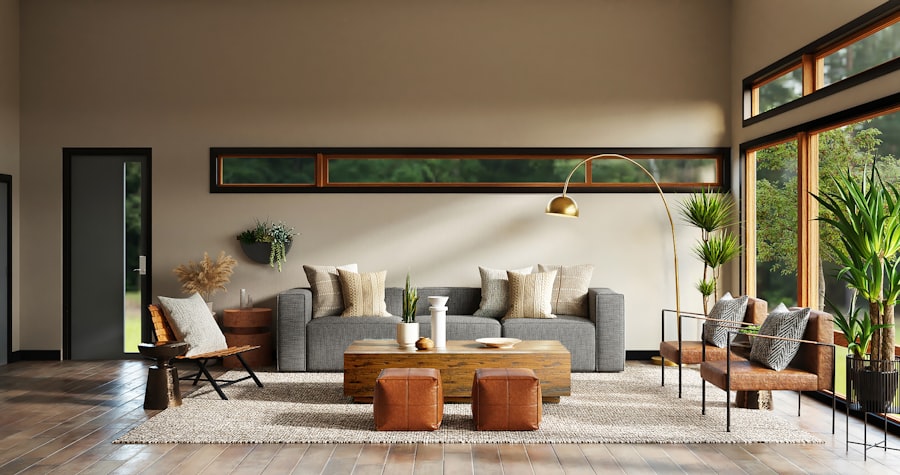
The fabric roller blind format is deceptively flexible from a design perspective. The clean, minimal profile suits both heritage and contemporary Melbourne interiors — which is one reason they’ve become so dominant in local new builds and renovations.
Fabric Collections and Colour
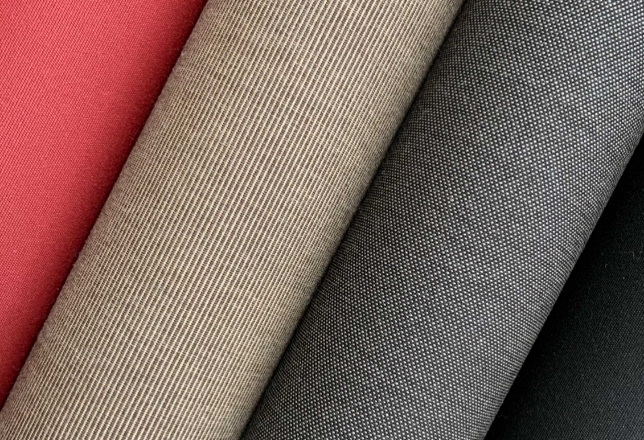
Leading fabric suppliers — including Mermet, Phifer, Shade Factor, and local Australian manufacturers — offer sunscreen, sheer, and blockout collections in hundreds of colourways. Current Melbourne interior trends show a strong preference for:
- Natural linen textures in warm whites, stone, and terracotta tones
- Muted eucalyptus greens and coastal greys in sunscreen collections
- Charcoal and deep navy blockout fabrics for bedrooms in contemporary homes
- White and near-white sheers in heritage homes to complement period architraves and coving
Cassette Systems and Hardware Profiles
The hardware profile significantly affects the finished look. Open-roll systems (where the rolled fabric is visible at the top) have a clean industrial aesthetic that suits contemporary interiors. Enclosed cassette systems conceal the rolled fabric and all hardware in a slim fascia — adding approximately 80–100mm above the window opening — and create a more refined, finished appearance preferred in luxury residential and commercial applications.
For Melbourne apartments with limited ceiling clearance, low-profile cassette systems with a 55–65mm fascia are available from several local suppliers and work well in the tight clearances common in inner-city apartment buildings.
Dual Roller Systems
One of the most practical design configurations gaining popularity in Melbourne homes is the dual roller blind system — a double-bracket arrangement that holds two rollers on the same window: typically a sheer or sunscreen blind for daytime use and a blockout blind for night-time privacy or sleep. The two systems operate independently, giving total flexibility across the day without cluttering the window with multiple hardware systems.
Explore the full range of indoor blind options available for Melbourne homes, including dual system configurations.
From Indoor Fabric Roller Blinds to Outdoor Zones — Completing the Melbourne Home
One area where Melbourne homeowners consistently underinvest is the transition between indoor window treatments and outdoor alfresco areas. A home with beautifully fitted interior roller blinds and an unshaded, exposed alfresco area loses significant liveability during Melbourne’s harshest weather — the same 38-degree days that make interior blinds essential also make unprotected outdoor entertaining impossible.
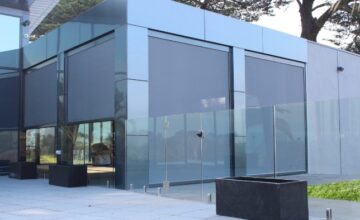
The same principles that drive indoor roller blind selection — light control, UV protection, thermal performance — apply to outdoor living spaces. Purpose-built outdoor blind systems use UV-stabilised, weather-rated fabrics and robust hardware designed to handle the full force of Melbourne weather events, from January heatwaves to July southerly gales.
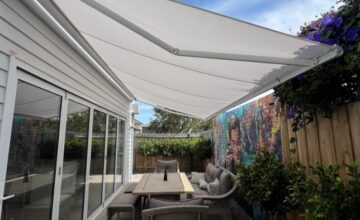
If your property has an alfresco or entertaining area, pairing interior fabric roller blinds with complementary outdoor blinds or a retractable awning system creates a cohesive shading strategy that works across your entire home — and dramatically expands usable living space across Melbourne’s full seasonal range.
How to Choose the Right Custom Blinds Supplier in Melbourne
Melbourne has no shortage of blind suppliers — from large national chains to small local fabricators. The quality range is enormous. Here are the questions worth asking before committing:
- Do they manufacture locally or source generic imports? Locally manufactured custom blinds — cut and assembled to order in Melbourne — offer better quality control, more accurate sizing, and faster turnaround on remakes if something isn’t right.
- Can they provide fabric samples from reputable commercial-grade suppliers? Ask specifically for fibreglass-core sunscreen fabrics from brands like Mermet or Phifer, or equivalent Australian-manufactured commercial grades. Reluctance to name fabric sources is a red flag.
- What does the installation team look like? Direct-employed installers who do this every day are meaningfully better than subcontracted trades doing blinds as a side job. Ask about their team structure.
- What warranty do they offer on fabric and hardware? Industry-standard warranties for quality roller blinds in Australia are typically 3–5 years on fabric and hardware from reputable suppliers. Shorter warranties may indicate lower-grade materials.
- Do they carry professional indemnity and public liability insurance? Essential for any trade visiting and working in your home in Victoria.
As Melbourne’s alfresco and blind specialists, Alfresco Blinds Co brings local expertise, quality commercial-grade fabrics, and professional installation to Melbourne homes across the metro area. Their in-home measure-and-quote service is a no-pressure starting point for understanding what’s genuinely right for your home and windows.
Frequently Asked Questions: Fabric Roller Blinds in Melbourne
Quality fibreglass-core sunscreen fabrics typically last 10–15 years. Blockout fabrics with foam backings typically last 8–12 years. Economy polyester fabrics may show degradation within 3–6 years. Mechanical components generally outlast the fabric on well-made systems.
Blockout fabrics have an opaque coating that prevents virtually all light transmission — ideal for bedrooms. Sunscreen fabrics are woven open-weave textiles rated by openness factor (1%–10%) that filter light, reduce UV and heat gain, and maintain outward visibility during daylight. Sheers filter light without meaningful UV protection.
Yes. Motors using Zigbee, Z-Wave, or Wi-Fi protocols are compatible with Google Home, Amazon Alexa, Apple HomeKit, and Matter-certified smart home hubs. Battery-powered and hardwired options are both available. Solar-powered motors are particularly effective on north-facing Melbourne windows.
Yes — routine dust removal with a soft brush vacuum or microfibre cloth is easy and recommended monthly. Spot cleaning with a damp cloth and mild pH-neutral detergent works for most marks. Avoid saturating blockout fabrics, scrubbing the foam coating, or using solvent-based cleaners on any roller blind fabric.
A professional team can typically install roller blinds across 8–15 windows in a full day. Individual rooms take 1–3 hours. Custom manufacturing lead time is typically 3–5 weeks from order confirmation for Melbourne homes.
For north and west-facing rooms, 3–5% openness fabrics offer the best balance of heat rejection and outward views. South-facing rooms with lower sun angles can use higher openness fabrics (5–10%) without significant heat gain consequences. East-facing rooms benefit from 1–3% openness fabrics to manage intense morning sun.
Interior roller blinds do not require council approval in Melbourne. Exterior blinds installed on heritage-listed properties or within Heritage Overlay zones may require approval from the relevant council — check with your local council if your property is subject to an overlay before proceeding with exterior installations.
 Previous

Follow Us on Instagram
