 1300 735 077

Best Awnings for Every Melbourne Home This Summer
Alfresco Blinds Co
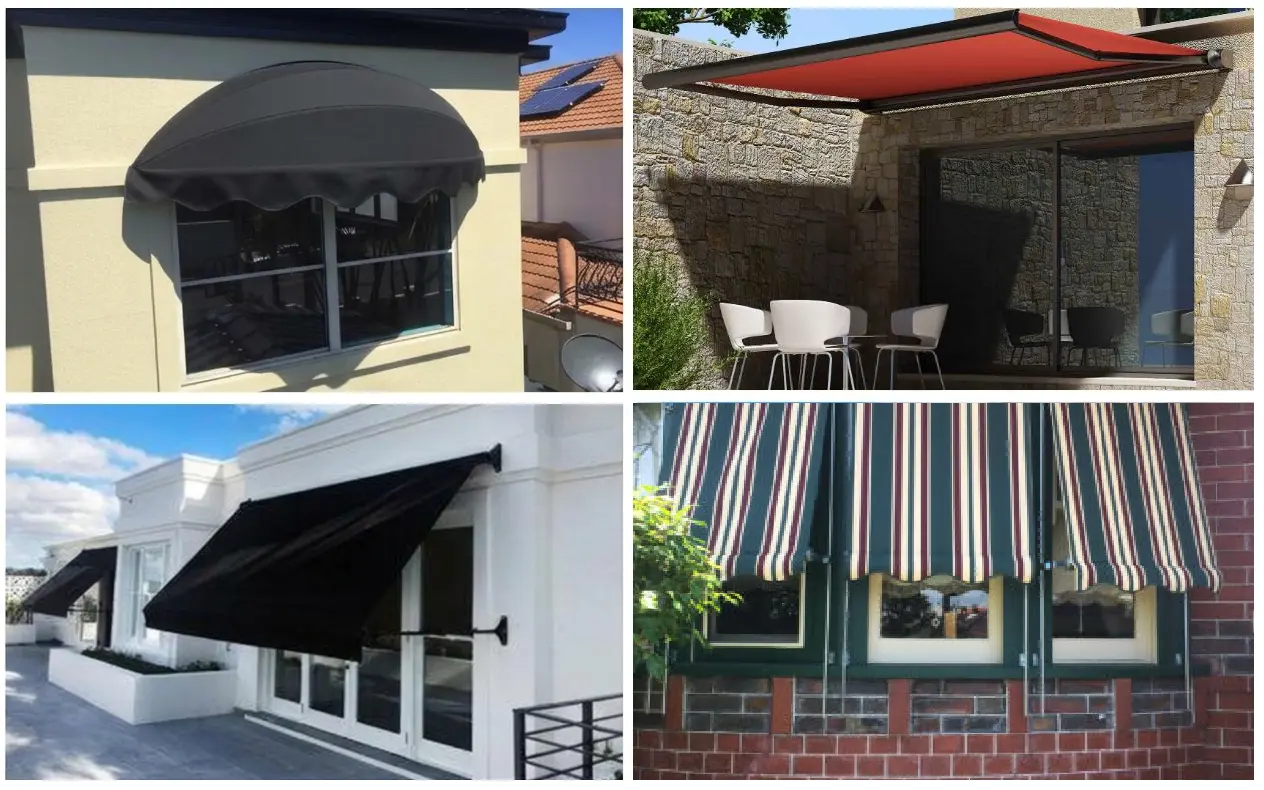
The best awning depends on where you need shade and how you intend to use the space. Folding arm and retractable awnings are excellent choices for homeowners who want flexible coverage over outdoor entertaining areas, while drop arm and pivot arm designs are particularly useful for windows exposed to direct afternoon sunlight. Fixed and canopy awnings are worth considering when you prefer permanent protection with minimal ongoing operation. For larger alfresco areas or added convenience, motorised awnings offer greater ease of use.
Melbourne summers can make an attractive outdoor area or sun-facing living room surprisingly uncomfortable. Direct sunlight, afternoon glare, and heat entering through large windows can affect how comfortably you use your home. So, choosing the right external shade can make a meaningful difference, but not every awning is designed for the same purpose.
When comparing awnings Melbourne homeowners can install, it helps to consider the direction of the sun, the area that needs protection, and whether you want permanent or adjustable shade. In this guide, we explore the main types of awnings, how suitable they are for Melbourne homes this summer, and what to consider before arranging an installation.
Why the Right Awning Matters for Melbourne Summers
Good outdoor shading is not just about creating a comfortable place to sit. An appropriately positioned awning can stop direct sunlight from reaching windows, reduce glare, and help make patios, decks and alfresco areas more enjoyable during warmer months.
However, your home’s orientation matters also! North-facing windows receive considerable high-angle sunlight during summer, while east-facing windows experience morning sun and west-facing windows can receive strong afternoon sunlight at a lower angle. An overhead awning might shade a deck effectively but may not provide sufficient protection against low-angle sun entering a window.
External shading is particularly useful because it intercepts sunlight before it passes through the glass. The Australian Government’s YourHome guidance explains how fixed and adjustable shading can help manage summer heat while allowing useful winter sunlight back into a home.
Therefore, the best awning for your property should balance summer protection, natural light, outdoor use and seasonal flexibility.
Which Types of Awnings Suit Melbourne Homes?
Melbourne homeowners have several options, from large retractable systems for entertaining areas to compact window awnings designed to control direct sunlight. The following comparison provides a quick indication of how each type may suit a typical Melbourne home.
Awning Types and Their Suitability for Melbourne Homes
To choose the right awning for your Melbourne home, you need to consider the direction of sunlight, the size of the area you want to cover, how much flexibility you need, your budget, and how well the awning will suit Melbourne’s changing weather conditions.
Some awnings are designed to shade large alfresco areas and decks, while others provide targeted protection for windows, doors and entrances. The following comparison will help you understand the differences, estimated costs and suitability of each option before making a decision.
| Awning Type | Estimated Cost (AUD) | Coverage / Space | Best Suited To | Key Benefits | Summer Suitability |
| Folding Arm | 1,200–5,500+ installed | Up to 8m wide × 3m projection, depending on model. | Decks, patios and alfresco areas. | Wide overhead shade; folds away when not needed. | 4.5/5 |
| Retractable | 2,400–4,500 + GST for a 3m folding-arm system. | Varies by design; retracts towards the wall. | Homeowners wanting flexible, seasonal shade. | Allows sunlight in during cooler months; manual or motorised options. | 4.5/5 |
| Canopy | 650–1,400 + GST per window. | Covers individual windows, doors or entrances. | Front entrances, windows and doorways. | Permanent shade; attractive architectural finish. | 4/5 |
| Drop Arm | 800–1,800 manual; 1,400–2,800 motorised, installed. | Individual windows, typically up to 3m wide. | West-facing windows exposed to afternoon sun. | Adjustable shading; helps reduce glare and indoor heat. | 4.5/5 |
| Pivot Arm | 450–1,700 manual; 1,100–4,500+ motorised. | Window coverage, typically 1.5–4m wide. | Windows and glass doors requiring adjustable shade. | Adjustable projection; folds close to the wall. | 4.5/5 |
| Automatic / Motorised | Add 400–800 for motorisation; sensors may add 180–400. | Depends on the underlying awning design. | Large alfresco areas and homeowners wanting convenient operation. | Remote operation; optional wind and sun sensors. | 4.5/5 |
| Fixed Window | 500–1,100 + GST per window. | Individual windows; no ground-space footprint. | Windows requiring permanent shade. | Consistent protection; minimal maintenance and operation. | 4/5 |
Disclaimer: Prices are indicative supplier-published estimates for 2026 and may vary according to dimensions, fabric, materials, motorisation and installation requirements. GST and installation inclusions differ between supplier guides, so confirm both in your written quotation. Coverage is subject to the selected model and site conditions. Summer suitability ratings are general guidance, not independently tested performance scores.
Important distinction: Retractable and motorised describe operating features, not separate structural awning styles. A folding-arm awning, for example, can be both retractable and motorised.
1. Folding Arm Awnings for Decks and Alfresco Areas
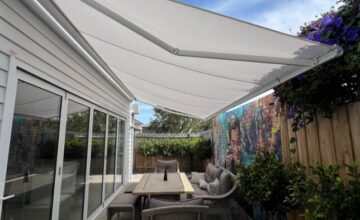
Folding arm awnings are a practical option when you want to shade an outdoor area without installing permanent support posts. They use articulated arms to extend a fabric canopy outward from the building. When the awning is retracted, the arms fold back towards the wall.
They work particularly well over outdoor dining areas, timber decks, balconies and patios where homeowners want an open space that can be shaded when required. For a north-facing alfresco, the overhead coverage can help reduce direct summer sun while keeping the area underneath relatively unobstructed.
Folding arm awnings are available with manual or motorised operation. Depending on the system, they can also be housed in protective cassette arrangements when retracted.
One consideration is wind exposure. Because the front section projects outward without posts, the awning needs to be operated according to the manufacturer’s weather guidelines. It should not be treated as a permanent roof during strong winds or severe weather.
Best for: Homeowners who entertain outdoors and want adjustable overhead shade without losing the open feel of their deck or patio.
You may also explore folding arm awnings in Melbourne for more information.
2. Retractable Awnings for Flexible Seasonal Shade
Retractable awnings Melbourne homeowners often consider may provide them with useful advantages: the coverage can be extended when the sun is strong and withdrawn when it is no longer required.
The term “retractable” refers to a broad category rather than one specific frame design. Folding arm, pivot arm, and certain drop arm systems can all offer retractable operation. The important difference is how far the awning projects, how it moves, and which area it is designed to shade.
For Melbourne homes, the ability to retract an awning is particularly useful when you want summer shade but still appreciate natural sunlight during cooler months. It also allows the homeowner to open up the area when the weather is pleasant.
Retractable systems can suit patios, decks, verandahs and selected window applications. The right configuration depends on the available mounting space, the required projection and the exposure of the installation site. Remember that retractability does not mean every system has the same wind tolerance. Always follow the product-specific operating instructions.
Best for: Homeowners who prefer flexible shading and want to adjust their outdoor or window coverage as conditions change.
Read more about retractable awnings before selecting a system.
3. Canopy Awnings Melbourne Homeowners Can Consider
Canopy awnings Melbourne properties use are generally fixed external structures that project outward above a window, entrance or doorway. They provide a defined area of shade without requiring the homeowner to extend or retract a mechanism every day.
These awnings can complement traditional and contemporary architecture. Depending on the design, fabric, and frame finish, they can also add character to an exterior facade.
A canopy is particularly useful above an entrance where some overhead protection is wanted or above a window that receives regular sunlight. However, fixed coverage needs more careful planning because the awning remains in place throughout the year.
For north-facing windows, consider whether the permanent structure will prevent useful winter sunlight from entering the home. A suitably designed projection can balance summer shade and winter solar access, but the dimensions and orientation need to be assessed.
Best for: Doorways, sheltered entrances and windows where consistent overhead coverage is preferred.
4. Drop Arm Awnings for Window and Doorway Shade
A drop arm awning is designed to provide external shade directly over a window or doorway. Its arms allow the fabric to project outward and downward at an angle, helping intercept direct sunlight before it reaches the glass.
This arrangement can be useful for east- and west-facing windows where low-angle sunlight creates glare during particular times of the day. Unlike a large folding arm awning, a drop arm system is generally designed around an individual opening rather than an entire outdoor entertaining area.
Some designs allow the angle to be adjusted, giving homeowners additional control over the amount of sunlight entering a room. Fabric choices may include canvas, acrylic, or mesh, depending on the available system and the preferred balance between shade and outward visibility.
Before selecting one, consider window operation, the available installation space, and how far the awning needs to project.
Best for: Individual windows and doorways that receive direct sunlight and require adjustable external shade.
Also, feel free to explore the best drop arm awning options available in Melbourne.
5. Pivot Arm Awnings for Adjustable Window Protection
Pivot arm awnings are another practical choice for windows that need more flexible external shading. They use arms attached to the building that pivot outward, positioning the fabric at an angle in front of the window
Their design can help block direct sunlight while maintaining some airflow and a degree of outward visibility, depending on the projection and fabric selected.
They can be particularly useful where there is not enough room for a larger folding arm installation. They may also suit residential windows where the homeowner wants to adjust the amount of shade rather than install a permanently fixed canopy.
The terminology used for pivot arm and drop arm systems can vary between suppliers. Some product ranges group them together, while others distinguish the arm mechanism and adjustment method. Ask about the actual hardware and operating arrangement rather than relying on the product name alone.
Best for: Windows requiring angled, adjustable external shade without a large projecting awning.
Check out the extensive range of pivot arm awning options here.
6. Auto Awnings: Is Motorised Operation Worth Considering?
Auto awnings, also called motorised or automatic awnings, allow homeowners to extend and retract their shading system using an electric motor rather than a manual crank.
Depending on the system, operation may be controlled through a remote, wall switch, or compatible smart-home controls. Some motorised systems can also incorporate sun or wind sensors that trigger automatic movement when configured conditions are detected.
This arrangement can be useful for wide awnings, high windows, or frequently used outdoor areas where manual operation becomes inconvenient. It is also worth considering when the awning is installed in a position that is difficult to reach.
The main consideration is the additional investment. Motorised awning cost can vary according to the motor, control system, electrical requirements, sensor options and overall awning dimensions.
However, motorisation should not be treated as a substitute for following weather and maintenance instructions. Check the available safety features, manual override arrangements and operating recommendations before purchasing.
Best for: Homeowners who value convenient operation, particularly with larger or less accessible awnings.
7. Fixed Window Awnings for Consistent External Shade
Fixed window awnings provide a permanent shading solution above selected windows. They are available in different shapes, frame finishes, and fabric configurations, allowing the design to complement the exterior of the home.
Unlike retractable products, fixed window awnings do not need daily adjustment. This makes them suitable for windows where consistent coverage is important, and winter solar access is less of a concern.
They can help reduce direct sunlight and glare entering through exposed windows, making them worth considering for rooms that become uncomfortable during warmer months.
However, think about the position of the window before committing. A north-facing living room may benefit from seasonal flexibility, whereas a window requiring permanent shade may be better suited to a fixed design.
Best for: Individual windows where homeowners prefer a simple, permanently installed shading structure.
Looking for the best options? Check out a few fixed awning options right here.
Choosing an Awning Based on Your Home’s Orientation
One of the most useful ways to narrow your options is to look at which direction your windows and outdoor areas face.
| Home orientation | Typical summer issue | Awning or shading option to consider |
| North-facing | Sun entering windows and heating outdoor areas during the day | Folding arm or appropriately designed horizontal awning |
| East-facing | Morning glare and early heat gain | Pivot arm, drop arm or adjustable external shading |
| West-facing | Low-angle afternoon sun and heat | Drop arm, pivot arm or vertical external shading |
| South-facing | Less direct summer sunlight on many openings | Assess individual needs for weather cover, privacy and outdoor use |
Remember that orientation is only one part of the decision. Nearby buildings, trees, balconies, existing eaves and the height of surrounding structures can all affect sunlight reaching your property.
Awnings or Outdoor Blinds: Which Do You Need?
Awnings and outdoor blinds can complement each other, but they perform different roles.
An awning generally projects outward to create overhead shade. It is useful when an open deck or patio does not already have a roof. An outdoor blind generally moves vertically to cover the side of an existing opening, helping manage low-angle sunlight, glare, privacy, and exposure around a covered alfresco area.
For example, a folding arm awning can shade an open deck, while vertical outdoor blinds may be appropriate for a covered pergola that receives direct afternoon sunlight from the side
So, choosing between them depends on whether your main problem is overhead sunlight, side exposure, or a combination of both.
What to Check Before Installing an Awning
Before arranging an awning installation, consider these practical details to avoid choosing a product that does not suit your home.
- Sun direction: Identify when and where sunlight reaches the area. Morning, midday, and afternoon exposure can require different shading arrangements.
- Required coverage: Decide whether you need to shade an individual window, an entrance, a full deck, or an outdoor dining area.
- Mounting surface: Check the available wall, structural supports, eaves, and fixing points. The installation must be suitable for the building structure and the awning’s operating loads.
- Projection and clearance: Consider the required extension, headroom, door openings, gutters, and other external fittings.
- Fabric and visibility: Compare fabric options for UV protection, light filtration, colour and outward visibility. The right selection depends on how much shade and natural light you want.
- Wind exposure: Consider whether the property is particularly exposed. Ask about the specific system’s operating limits and whether compatible wind-sensing controls are available.
- Operation and maintenance: Decide whether manual or motorised operation is more practical and understand the cleaning and care requirements.
- Property requirements: For apartments, townhouses, heritage properties or shared buildings, check applicable owners corporation, building and local approval requirements before proceeding.
A professional measure and quote can help assess the mounting conditions, dimensions, projection and appropriate product configuration before the awning is made.
How Much Do Awnings Cost in Melbourne?
Awning prices Melbourne homeowners receive may vary considerably because the final installation involves more than the awning’s basic dimensions.
So, when reviewing awning installation cost Melbourne quotes, consider the following factors:
- Awning type: Fixed canopies, drop arm systems and larger folding arm installations have different hardware and installation requirements.
- Dimensions: Width and projection affect the quantity of fabric, frame components, and support requirements.
- Fabric selection: Material, colour, UV performance and finish can influence the final price.
- Motorisation: The motor, remote controls, compatible sensors, and electrical work can increase the overall investment.
- Installation conditions: Difficult access, wall construction, mounting height and additional structural requirements can affect labour and fixing costs.
For an accurate motorised awning cost comparison, ask for a quote that separates the awning, motorisation, controls and installation components. Compare the same approximate dimensions and specifications when reviewing different proposals.
Rather than relying on a generic online price, arrange a measure and quote based on the actual dimensions and conditions of your property.
Quick Checklist for Choosing the Right Awning
Use these checks before narrowing down an awning for your Melbourne home.
- Identify the sun direction: Determine whether the area receives morning, midday, or afternoon sunlight before choosing the awning structure.
- Decide what needs shade: Choose a window awning for an individual opening or a folding arm system for an open deck or patio.
- Consider seasonal flexibility: Select a retractable system if you want to restore natural sunlight during cooler months.
- Choose the operating method: Consider manual operation for accessible smaller systems and motorisation for larger or harder-to-reach installations.
- Check the mounting area: Confirm that the wall or supporting structure can accommodate the selected system.
- Review fabric options: Balance UV protection, light filtration, privacy, appearance and maintenance.
- Obtain an installation quote: Confirm dimensions, product specifications, fixings, controls, warranty terms and installation details.
Frequently Asked Questions About Awnings in Melbourne
The best choice depends on the area being shaded. Folding arm awnings suit open decks and patios, while drop arm and pivot arm awnings are useful for exposed windows. Fixed canopies suit locations where permanent coverage is preferred.
A drop arm or pivot arm awning can help shade a west-facing window by intercepting lower-angle afternoon sunlight. Adjustable external shading is particularly useful because a standard overhead projection may not block all the direct sun.
A folding arm awning is one type of retractable awning. Folding arm describes its articulated support mechanism, whereas retractable describes a system that can be extended and withdrawn when required.
Neither is universally better. A canopy provides permanent coverage above a selected opening, while a retractable awning offers more flexibility when you want to adjust shade throughout the year.
Motorised awnings can be worthwhile for large, frequently used or hard-to-reach installations. They provide convenient operation and may support compatible sun and wind sensors, depending on the system selected.
Folding arm awnings should be operated within their manufacturer’s specified weather limits. Retract the awning when conditions exceed the recommended operating limits and follow the supplied instructions for rain and storm conditions.
It may be possible, but the installation needs to account for access, window movement, mounting points, structural support, and water ingress around the building envelope. A site assessment is important before selecting the system.
External awnings can reduce direct sunlight reaching glass, helping limit unwanted solar heat gain. Their effectiveness depends on positioning, coverage, material, and the direction of sunlight.
Find the Right Awning for Your Melbourne Home
The right awning should suit your home’s architecture, sun exposure and the way you use your outdoor and indoor spaces. Whether you are considering folding arm awnings for an entertaining area, a pivot arm system for a window or a motorised solution for convenient operation, getting the configuration right is just as important as selecting the style.
Also, a professional supplier team can help assess your space, compare suitable options, and discuss the installation requirements. So, if you are preparing your home for summer, arrange a free measure and quote with a premier supplier and installer of awnings to discuss an awning that suits your property.
 Previous

Follow Us on Instagram
