
 1300 735 077
Plantation Shutters vs Roller Blinds: Which Is Right for Your Melbourne Home?
Alfresco Blinds Co
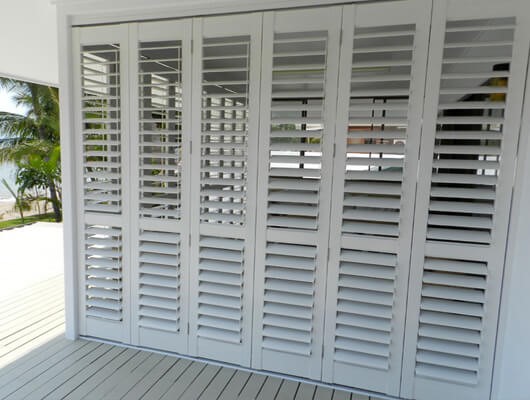
Walk into any Melbourne display home right now and you’ll spot the same debate playing out room by room – plantation shutters on the street-facing windows, roller blinds tucked into the bedrooms. It’s not accidental. Both products do different things exceptionally well, and understanding those differences before you commit is what separates a window-covering decision you’ll love for two decades from one you’ll quietly regret within two years.
We’ve been supplying and installing window coverings across Melbourne for over 60 years. In that time, we’ve seen trends come and go – but the plantation shutters versus roller blinds conversation never gets old. This guide gives you our honest, unfiltered take: the real costs, the genuine performance differences, and a room-by-room recommendation you can act on today.
The short answer
Plantation shutters are the better long-term investment for living areas, dining rooms, and heritage homes – offering superior insulation, lasting 20–25 years, and adding resale value. Roller blinds are the smarter choice for bedrooms, rentals, apartments, and anyone who wants smart-home integration or total blackout at a lower upfront cost. Most Melbourne homes benefit from using both.
What exactly are we comparing?
Before diving into the detail, it’s worth being precise about what each product actually is – because the terms get used loosely, and the distinction matters.
Plantation shutters
Plantation shutters are solid, custom-fitted window panels with adjustable horizontal louvres (slats). They’re built into the window frame using a dedicated frame system – which means they become a fixed part of your home’s architecture, not a removable accessory. The name comes from the wide-louvre colonial shutters historically used on Southern American plantation homes, though today’s Australian versions are a world apart in build quality and material sophistication.
At Alfresco Blinds Co, our plantation shutters are available in three core materials:
- Basswood timber – the premium natural timber choice; lightweight, strong, stable across large widths, and ideal for living rooms and main bedrooms where its warm grain adds genuine architectural character.
- PVC (vinyl) – completely moisture-resistant, making it the preferred choice for bathrooms, laundries, and kitchens. PVC shutters carry warranties of up to 25 years and are impervious to steam, humidity, and splashing.
- Aluminium – the right choice for outdoor applications, balconies, and areas exposed to harsh Australian UV. Powder-coated for durability and specifically engineered to withstand Melbourne’s wind and weather.
Roller blinds
Roller blinds are fabric window coverings that roll up into a compact tube at the top of the window – either recessed inside the frame or mounted above it. They operate via a side chain, spring mechanism, or motor. The fabric choice drives performance: a blockout fabric creates near-total darkness; a sunscreen fabric filters light while preserving your view; and a sheer fabric creates a soft, diffused glow.
Related products worth knowing about in this category include:
- Double roller blinds – two fabrics (typically a sunscreen and a blockout) mounted on a single bracket, giving you full control at any time of day.
- Sunscreen roller blinds – perforated fabrics with openness factors typically ranging from 1% to 10%; the tighter the weave, the greater the glare and UV reduction.
- Automated roller blinds – motorised systems compatible with smart home platforms including Google Home, Amazon Alexa, and Apple HomeKit.
| 20–25 Years: typical lifespan of quality plantation shutters | 8–12 Years: typical lifespan of quality roller blinds before replacement | 40% Heat loss reduction in winter from well-fitted plantation shutters | 2–3× Higher upfront cost of shutters vs roller blinds per window |
Cost comparison: what does each actually cost in Melbourne?
This is where most people start, and it’s the right place to start – as long as you look beyond the sticker price to understand the full lifetime cost picture.
| Plantation Shutters Basswood & PVC Shutters $450–$800 per square metre, installed – Melbourne 2026 Standard window (1.2m × 1.2m) ~$750–$1,300 Lounge room (per panel) ~$800–$1,600 Full home (10–15 windows) $9,000–$18,000 Lifespan 20–25 years Annual cost per window ~$30–$65 | Roller Blinds Quality Roller Blinds $180–$450 per window, installed – Melbourne 2026 Standard window $150–$400 Double roller blind $280–$600 Motorised (per window) $450–$900 Lifespan 8–12 years Annual cost per window ~$12.50– $50 |
The annual cost-per-window analysis tells a more nuanced story than most people expect. A quality plantation shutter at $1,000 installed, lasting 22 years, costs you roughly $45 per year. A quality roller blind at $350 installed, replaced every 10 years, costs $35 per year – closer than the headline prices suggest. Add the resale value uplift from shutters, and the financial case for shutters in long-term owner-occupied homes becomes genuinely compelling.
| Related from Alfresco Blinds Co → Browse our full plantation shutter range (Basswood, PVC & Aluminium) → Custom roller blinds for Melbourne homes → Double roller blinds – the best of both worlds |
Head-to-head comparison
Here’s how plantation shutters and quality roller blinds stack up across every factor that Melbourne homeowners tell us matters most:
| Factor | Plantation Shutters | Roller Blinds |
|---|---|---|
| Upfront cost | Higher ($600–$900/m²) | Lower ($150–$400/window) |
| Lifespan | 20–25 years | 8–12 years |
| Thermal insulation | Excellent – solid panel creates air barrier, up to 40% heat loss reduction | Good (blockout) to moderate – best with thermal-backed fabrics |
| Light control | Precise louvre adjustment – control angle of light without losing the view | Excellent – blockout fabric achieves near-total darkness |
| Privacy | Excellent day & night – louvres angled for view without exposure | Good daytime; sunscreen fabrics lose privacy at night when lit from inside |
| Resale value | Adds value – treated as permanent fixture by buyers and valuers | Minimal uplift – buyers often plan to replace |
| Maintenance | Very low – wipe louvres with damp cloth; no cords to fray, no fabric to fade | Low-moderate – fabric degrades with UV; chain/cord wear over time |
| Child & pet safety | Inherently safe – no cords, no trailing fabric | Motorised or cordless options are safe; traditional chains pose cord hazard |
| Smart home / automation | Not typically motorised | Full smart home integration via Somfy, Becker – Google Home, Alexa, HomeKit |
| Aesthetic flexibility | Timeless and architectural – limited fabric/colour variation | Hundreds of fabric, colour & texture options; easily updated |
| Wet area suitability | PVC shutters fully moisture-resistant for bathrooms & laundries | Some moisture-resistant options; not all fabrics suit wet areas |
| Installation complexity | Always requires professional measurement & fitting – no DIY | Professional or owner-install for some products |
Insulation and energy efficiency: what Melbourne’s climate demands
Melbourne’s weather is genuinely unpredictable – you can get sunburn at 10am and need a jumper by 2pm, sometimes in the same week. That volatility makes window-covering insulation performance more important here than in most Australian cities.
Plantation shutters earn their insulation credentials through physics: when closed, the solid louvre panel sits within or against the window frame, creating an air gap between the glass and the room. That trapped air acts as an insulating layer – slowing heat transfer in both directions. Well-fitted shutters can reduce heat loss in winter by up to 40% and meaningfully reduce solar heat gain in summer. According to the Australian Government’s energy guidance, properly fitted internal window coverings are among the most cost-effective ways to reduce household heating and cooling loads.
Quality roller blinds – particularly blockout or thermal-backed varieties – still offer real insulation benefits, especially when fitted close to the window frame to minimise air circulation gaps. Double roller blinds that combine a sunscreen layer for daytime temperature management and a blockout layer for night-time insulation represent the best energy efficiency available within the roller blind category.
Room-by-room recommendations for Melbourne homes
The best window-covering decision is almost never a whole-home choice – it’s a room-by-room one. Here’s how we recommend thinking about it:
Living room ✓ Plantation Shutters The room you show buyers and guests. Shutters’ architectural presence, daytime light control, and longevity make them the clear winner here. North- and west-facing living rooms benefit most from louvre-controlled glare management. | Bedroom ✓ Roller Blinds (blockout) Total darkness for quality sleep is the bedroom’s primary job. A blockout roller blind or double roller blind achieves this better than shutters – particularly for rooms on Melbourne’s harsh western exposure. | Dining room ✓ Plantation Shutters A dining room benefits from the same architectural quality as the living area. Shutters’ louvres let you manage afternoon glare during meals without sacrificing ambience. |
Bathroom ✓ PVC Plantation Shutters PVC shutters are completely moisture-resistant – the only shutter material suitable for bathrooms and laundries. They’re easy to clean, won’t warp, and look genuinely premium. | Kitchen ✓ Roller Blinds or PVC Shutters Roller blinds with easy-to-clean synthetic fabrics are practical for cooking splatter zones. PVC plantation shutters also work well where you want a more architectural look. | Home office ✓ Sunscreen or Double Roller A sunscreen roller blind reduces glare on screens while maintaining a connection to natural light – ideal for productivity. A double roller gives you the option of full blockout for video calls. |
| Media room ✓ Blockout Roller Blinds No other product achieves the near-total darkness a media or theatre room demands. Motorised blockout blinds also offer clean integration with home theatre systems. | Street-facing rooms ✓ Plantation Shutters The rooms visible to the street are where resale value and kerb appeal matter most. Plantation shutters’ architectural presence is an investment you’ll see reflected at inspection time. |
Aesthetic and style: which suits your home?
Style preference is genuinely personal, but there are some useful heuristics for Melbourne’s diverse housing stock:
Plantation shutters suit…
- Heritage and period homes – Federation, Victorian, Edwardian, and California bungalow properties benefit enormously from shutters’ architectural permanence. Basswood shutters in a bright white or warm white complement original architraves and decorative trims beautifully.
- Hamptons and coastal-inspired interiors – the clean white louvre panel is practically the defining element of this style.
- Open-plan homes where windows are a design feature – floor-to-ceiling shutters in a living area make a statement that fabric blinds simply cannot replicate.
Roller blinds suit…
- Contemporary and minimalist interiors – a roller blind in a neutral blockout fabric completely disappears when not in use, maintaining the clean lines of modern design.
- Apartments and high-rise living – the slim profile and motorisation options make roller blinds ideal for apartment windows, particularly in buildings where external shutters may not be permitted.
- Anyone who loves to change things up – replacing a roller blind fabric is a fraction of the cost of replacing shutters, making it a practical choice for those who enjoy refreshing their interiors.
Do plantation shutters actually add resale value?
This is one of the most common questions we hear – and the answer is a genuine yes, with an important caveat about quality.
Plantation shutters are classified by valuers and real estate agents as a permanent fixture, not a removable accessory. This is significant: when you sell, they stay with the home and are factored into the property’s presentation – and often its price. According to the Real Estate Institute of Victoria, Melbourne buyers increasingly expect quality window treatments in premium suburbs, and agents consistently report that well-fitted shutters improve buyer confidence during inspections and auctions.
Roller blinds, by contrast, are typically treated as consumable – buyers factor in replacing them with their own choice. They rarely add perceived value beyond a neutral baseline presentation.
The caveat: cheap shutters – poor-quality PVC with visible seams, louvres that don’t sit evenly, or frames that don’t fit the window precisely – do more harm than good. Quality matters enormously in how shutters read to a prospective buyer. This is why we always recommend professional measure-and-quote before any shutter decision.
What matters most to you right now?
Long-term investment & resale→ Plantation shutters. Treat them like kitchen benchtops – a capital improvement that stays with the house. Thermal performance & energy bills→ Plantation shutters by a margin, particularly in south- and west-facing rooms exposed to Melbourne’s extremes. | Budget, flexibility & modern style→ Roller blinds. Especially double rollers for bedrooms, motorised for smart home users. Total darkness for sleep→ Blockout roller blinds. No other product delivers near-complete darkness as effectively. |
Do you have kids or pets?
| Safety first → Plantation shutters have no cords. If choosing roller blinds, always specify motorised or cordless for child safety compliance (mandatory in Australia as of December 2025). | Durability under rough treatment → Plantation shutters handle abuse from children and pets better than fabric blinds. A toddler grabbing a shutter louvre is unlikely to cause damage; the same isn’t true of roller blind fabric. |
Can you use both? Absolutely – and most Melbourne homes do
The false premise in the “shutters versus blinds” framing is that you have to choose one for the whole house. In practice, the best-dressed Melbourne homes use both, deployed strategically according to each room’s function.
A common and highly effective combination:
- Plantation shutters in the entry, living room, and dining room – the rooms that define your home’s character and drive resale value.
- Blockout or double roller blinds in the main bedroom and children’s rooms – where total darkness and practical ease of use matter most.
- PVC plantation shutters in the bathroom and laundry – the only wet-area-rated shutter option.
- Sunscreen or double roller blinds in the home office or study – glare reduction and view preservation for screen-based work.
- Sheer curtains layered over roller blinds in bedrooms for soft, resort-style warmth during the day.
This approach lets you allocate your budget where it generates the most return – investing in shutters for the rooms that matter to buyers and the aesthetics of daily living, and using roller blinds where function, automation, or budget constraints are the priority.
Frequently asked questions
These are the questions we hear most often from Melbourne homeowners comparing plantation shutters and roller blinds.
Are plantation shutters more expensive than roller blinds in Melbourne?
Yes – plantation shutters typically cost $600–$900 per square metre installed in Melbourne, while quality roller blinds range from $150–$400 per window. However, shutters last 20–25 years versus 8–12 years for roller blinds, making the lifetime cost difference meaningfully smaller than the upfront comparison suggests.
Do plantation shutters add value to a Melbourne home?
Yes. Plantation shutters are considered a permanent fixture – not a removable accessory – which means buyers factor them into a property’s value. Real estate agents in Melbourne consistently list quality window shutters among the features that improve buyer perception during inspections and auctions. Roller blinds, by contrast, are treated as consumable and rarely add perceived value beyond a neutral baseline.
Which is better for insulation in Melbourne – shutters or roller blinds?
Plantation shutters generally offer superior insulation because their solid panels sit snugly within the window frame, creating an air barrier that reduces heat transfer. Quality shutters can reduce heat loss in winter by up to 40%. Roller blinds – particularly blockout or thermal-backed varieties – offer meaningful insulation but fall short of shutters’ thermal performance. For maximum energy efficiency from roller blinds, choose a double roller system combining a sunscreen layer for daytime and a blockout layer at night.
Can I mix plantation shutters and roller blinds in the same house?
Absolutely – and many Melbourne homeowners do exactly this. A common approach is plantation shutters in living areas, dining rooms, and street-facing rooms (where resale value and aesthetics matter most), combined with blockout roller blinds or double roller blinds in bedrooms and home theatres where total darkness is the priority. This room-by-room approach lets you allocate budget strategically.
Are plantation shutters suitable for wet areas like bathrooms?
PVC plantation shutters are ideal for bathrooms, laundries, and kitchens because they are completely moisture-resistant. Basswood timber shutters are not recommended for high-humidity areas as prolonged moisture exposure can cause warping over time. Always discuss your specific room conditions with your installer at the measure-and-quote stage.
How long do roller blinds last compared to plantation shutters?
Quality roller blinds typically last 8–12 years before fabric fading, mechanism wear, or cord deterioration requires replacement. Plantation shutters, by comparison, routinely last 20–25 years with minimal maintenance – often outlasting the furniture in the same room. This difference in lifespan is why the annual cost comparison between the two products is closer than the upfront prices suggest.
Which window covering is better for Melbourne’s unpredictable weather?
Melbourne’s climate – hot summers, cold winters, and rapid temperature swings – suits both products, but in different ways. Plantation shutters excel at year-round thermal regulation and glare control without losing your view; their louvre adjustment lets you manage light angle precisely as the sun moves. Motorised roller blinds or double roller blinds offer the convenience of adjusting instantly with a remote or smartphone app, which is ideal for large windows or hard-to-reach areas during Melbourne’s sudden cool changes.
Do motorised roller blinds work with smart home systems?
Yes – motorised roller blinds from quality suppliers are compatible with Google Home, Amazon Alexa, and Apple HomeKit. Alfresco Blinds Co supplies and installs Somfy and Becker motorised systems across Melbourne, offering wire-free, solar-powered, and hard-wired smart home integration options. Plantation shutters are not typically motorised, which is one area where roller blinds have a genuine advantage for tech-forward homes.
The bottom line
Plantation shutters and roller blinds aren’t really competing products – they’re complementary ones that do different things exceptionally well. The “right” choice depends entirely on which room you’re outfitting, how long you plan to stay in the home, what you can invest now versus over time, and how much you value smart-home features versus architectural permanence.
If we had to give Melbourne homeowners one practical piece of advice, it’d be this: invest in plantation shutters in the rooms you show off – your living area, entry, and street-facing windows. Use blockout or double roller blinds in the rooms you sleep in. And if your budget is tight, start with roller blinds throughout and add shutters room by room as finances allow – the two products will sit comfortably alongside each other in the same home.
Ready to see both products in person before you decide? Come into our Epping showroom or book a free in-home measure and quote. We’ll bring samples, measure up, and give you an honest recommendation – no pressure, no sales script. Just good advice from people who’ve been doing this for a very long time.
 Previous

Follow Us on Instagram
