
 1300 735 077
Window Shutters Melbourne: Which Style Suits Your Home?
Alfresco Blinds Co
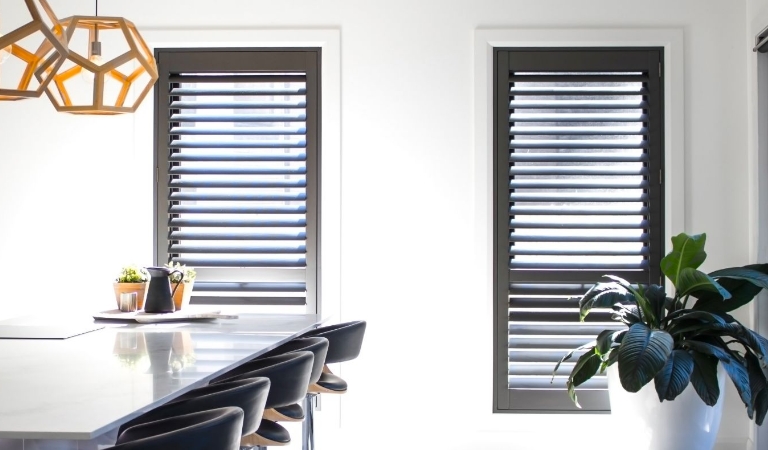
Choosing the right window shutters in Melbourne genuinely transforms a home — not just how it looks, but how it lives. Melbourne’s mix of Federation terraces, 1970s brick veneers, contemporary apartments, and sprawling family homes means there is no single shutter solution that fits every window. This guide cuts through the confusion and helps you pick the right style, material, and configuration for your specific home.
Whether you are renovating a Victorian terrace in Fitzroy, upgrading a Bayside family home, or fitting out a new apartment in Docklands — shutters deserve serious consideration. They solve real problems: privacy without blocking airflow, light control without sacrificing the view, and insulation that actually makes a dent in your energy bills.
So let’s get into it — no fluff, no filler. Just practical shutter guidance written for Melbourne homes.
Why Melbourne Homeowners Are Choosing Shutters Over Blinds
Here is the thing — most Melbourne homeowners do not start out looking for shutters. They start looking for better privacy. Or they want to block the brutal western sun without blacking out the room entirely. Then someone mentions shutters, and suddenly everything clicks.
Unlike roller blinds or curtains, shutters are a permanent architectural element. They do not fade, sag, or need replacing every few years. A quality set of plantation shutters installed in a Melbourne home today will still look sharp in fifteen years.
Melbourne’s four-seasons-in-one-day climate makes this particularly relevant. Shutters insulate in winter, promote ventilation in summer, and hold their structural integrity through humidity, heat, and cold — something fabric blinds simply cannot match.
Verified Fact
According to the Australian Government’s Energy Rating program, up to 40% of a home’s heating energy is lost through windows. External and internal window coverings — including shutters — can materially reduce this loss by creating an insulating air gap.
Beyond energy efficiency, there is the lifestyle angle. Melbourne living rooms open onto decks, courtyards, and verandahs. Shutters — particularly bi-fold or tracked shutter configurations — blend indoor and outdoor spaces while maintaining privacy from the street. That is a very Melbourne-specific selling point.
Also worth reading: Explore how roller blinds in Melbourne compare to shutters for contemporary interiors — including cost, light control, and daily usability.
PVC Shutters vs Timber Shutters for Melbourne’s Climate
This is the most common question on Melbourne renovation forums — and it genuinely depends on where in your home the shutter is going, and what your priorities are.
The Case for PVC Shutters in Melbourne
PVC (polyvinyl chloride) shutters are the practical workhorse of the Melbourne market. They resist moisture, do not warp or crack in Melbourne’s temperature extremes, and are genuinely easy to wipe clean. Bathrooms, laundries, and kitchens — anywhere near water — are natural PVC territory.
They handle Melbourne’s UV intensity well too. Quality PVC shutters include UV-stabilised compounds that prevent yellowing and brittleness over time. They are also lighter than timber, which means less stress on hinges and frames over the long haul.
Honestly? For Melbourne’s coastal suburbs or areas with high humidity — such as Brighton, St Kilda, or Port Melbourne — PVC is often the smarter call.
The Case for Timber Shutters in Melbourne Homes
Timber shutters bring something PVC simply cannot replicate: genuine warmth and character. For Federation homes, Victorian terraces, and Californian bungalows — the kind of homes Melbourne’s inner north and inner east are full of — timber shutters are architecturally authentic.
Basswood and western red cedar are the most popular timber species for internal shutters in Australia. They machine well, paint cleanly, and hold their shape reliably when properly sealed. A well-installed, well-maintained set of timber shutters in a dry Melbourne living room can last decades without issue.
The trade-off is cost and care. Timber shutters cost more upfront, and they do need periodic repainting or re-sealing — particularly in rooms exposed to direct sunlight. For high-moisture rooms, timber is a genuine risk.
| Feature | PVC Shutters | Timber Shutters |
|---|---|---|
| Moisture Resistance | ✓ Excellent — ideal for wet areas | ✕ Moderate — avoid wet rooms |
| Warping Risk (Melbourne Heat) | ✓ Very low | △ Moderate — seal properly |
| Aesthetic — Heritage Homes | △ Good but not authentic | ✓ Excellent — architecturally appropriate |
| Cost | ✓ Lower upfront | △ Higher upfront investment |
| Maintenance | ✓ Wipe clean — minimal effort | △ Periodic repainting required |
| Weight | ✓ Lighter — less frame stress | △ Heavier — strong frames needed |
| UV Stability | ✓ UV stabilised compounds | △ Needs UV-protective coating |
| Lifespan | 15–20+ years | 20–30+ years (with maintenance) |
Which Window Shutter Style Suits Different Melbourne Home Types
Melbourne’s built environment is genuinely diverse. Matching your shutter choice to your home’s architecture is not just about aesthetics — it also affects resale value, planning considerations in heritage overlays, and day-to-day functionality.
Federation and Victorian Homes in Melbourne’s Inner Suburbs
Think Brunswick, Northcote, Richmond, Collingwood, South Yarra. These homes feature high ceilings, sash and double-hung windows, ornate cornices, and rich architectural detail. Timber plantation shutters with mid-sized louvres (63mm–89mm) in a painted finish complement the heritage aesthetic without looking out of place.
Solid panel shutters — which feature no louvres — also suit Federation homes, particularly on bedroom windows or front-facing windows where a traditional, symmetrical look is preferred.
Verified Fact
The Heritage Council of Victoria notes that many Melbourne suburbs carry Heritage Overlay protections under local planning schemes. In these areas, external alterations — including window coverings visible from the street — may require a planning permit. Always check with your local council before installing external shutters on a heritage-listed property.
Californian Bungalows — Melbourne’s Middle Suburbs
Ivanhoe, Balwyn, Hawthorn, Camberwell, Glen Iris. The Californian Bungalow’s wide eaves, natural timber finishes, and garden orientation make it a natural fit for plantation shutters. Stained timber shutters — rather than painted — can echo the bungalow’s warmth and natural palette beautifully.
Contemporary and New-Build Homes Across Melbourne
For modern homes — think new builds in Craigieburn, Doreen, Pakenham, or contemporary renovations across the inner east — clean-line shutters in white or off-white PVC or composite materials deliver a minimal, architectural look. Wide 114mm louvres suit large picture windows and floor-to-ceiling glass. They pair seamlessly with concrete, steel, and glass interiors.
Melbourne Apartments and High-Rise Dwellings
Privacy is the primary concern for Melbourne apartment dwellers — particularly in buildings with close sightlines to neighbouring units or busy streets. Shutters solve this elegantly: close the louvres for privacy, tilt them upward to draw in light from above while blocking ground-level views. No curtain or blind achieves that level of directional control.
Lightweight PVC shutters suit apartments particularly well. They are structurally lighter (important for rental-friendly installations), easy to clean, and do not require the wall depth that heavy timber frames sometimes need.
Related reading: If you are exploring privacy solutions for an apartment or terrace, Venetian blinds offer a similar louvre-control mechanism at a lower price point — worth comparing before you commit.
Understanding Louvre Sizes for Melbourne Windows
Louvre width is one of those details that most people do not think about — until they install the wrong size and wonder why the room feels slightly off. Proportionality matters here.
- 63mm louvres: Traditional, narrow slats. Suit colonial-style windows, narrow sashes, and heritage-detailed rooms. Very classic look.
- 89mm louvres: The Melbourne sweet spot. Works across virtually every window size and home style. Balanced light control and outward visibility.
- 114mm louvres: Wide, modern, statement-making. Best for large windows, bi-fold door openings, and contemporary interiors where the shutter IS the feature.
A simple rule: the taller the window, the wider the louvre can be before it looks oversized. For standard Melbourne ceiling heights (2.4m–2.7m), 89mm is rarely wrong. For the beautiful 3m+ ceilings in Federation homes, 114mm louvres can look genuinely spectacular.
Plantation Shutters Melbourne Cost — What to Realistically Expect
Let’s talk dollars, because this is where a lot of online resources get deliberately vague. Plantation shutter costs in Melbourne vary considerably — and understanding why helps you budget accurately and avoid getting stung.
The main cost drivers are: material (PVC vs timber vs composite), louvre width, panel configuration (bifold, hinged, tracked), window size, and whether the frame is a face-fit, recess-fit, or full-frame installation.
| Shutter Type | Approx. Cost Per Panel | Typical Application |
|---|---|---|
| PVC Plantation Shutters | $300 – $700 per panel | Bathrooms, kitchens, apartments, new builds |
| Composite / ABS Shutters | $400 – $800 per panel | Wet areas, high-UV rooms, coastal Melbourne |
| Timber Plantation Shutters | $600 – $1,200+ per panel | Heritage homes, living rooms, formal areas |
| Full Home Installation | $3,000 – $10,000+ | Varies by room count, window sizes, material |
Note that these are approximate market ranges for Melbourne. Pricing varies between suppliers based on quality, warranty terms, and installation expertise. A free measure-and-quote from a reputable Melbourne supplier — like Alfresco Blinds Co — is always the most accurate way to cost your project.
“Shutters are not the cheapest upfront option — but they are almost always the cheapest option over ten years, once you account for not replacing blinds twice.” — Common sentiment across Melbourne renovation communities.
That sentiment is backed up by real-world experience. Quality roller blinds in Melbourne typically last 5–8 years before the mechanism or fabric degrades noticeably. Curtains wear, fade, and collect dust. A well-made set of shutters, properly installed and occasionally wiped down, simply keeps going.
Worth comparing: See how Roman blinds stack up against shutters for Melbourne living rooms — particularly for heritage and period homes where softness is part of the brief.
Louvre Shutters for Melbourne Privacy and Light Control
Privacy without darkness — that is the shutter’s unique value proposition. And in Melbourne, where homes in established suburbs sit close together and street frontages are tight, this matters enormously.
The louvre mechanism is what makes shutters genuinely clever. Tilt the slats upward and you draw ambient light from the sky — while blocking sightlines from street level. Tilt them downward and you allow light in from above while preventing upward views from a lower-positioned neighbour or ground-level pedestrians.
No curtain, no blind, and no film achieves this combination of directional light control and privacy. It is a genuinely functional advantage — not just a marketing claim.
For bedrooms, this translates to practical morning light management. Tilt louvres partially open at 6am to allow gentle natural light without blasting sun — something shift workers and parents of young children in Melbourne’s eastern suburbs will particularly appreciate.
For living areas facing Melbourne’s notorious hot western sun, shutters allow airflow through partially open louvres while deflecting direct solar radiation. That is a passive cooling strategy that reduces reliance on air conditioning.
Outdoor Shutters and Awnings for Melbourne Alfresco Spaces
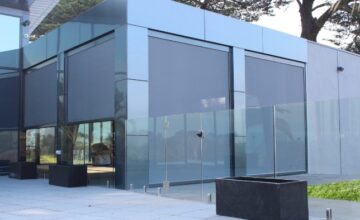
Window shutters are not confined to the inside of Melbourne homes. External louvre shutters, plantation-style external panels, and timber screen shutters are growing in popularity — particularly for north-facing outdoor entertaining areas.
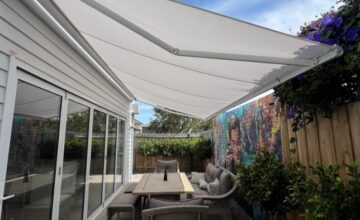
External shutters on a Melbourne alfresco provide shade, wind protection, and privacy from neighbours — solving the classic Melbourne backyard problem of an exposed deck that nobody actually uses in summer. Combined with an awning system, external shutters transform an unusable outdoor space into a genuinely liveable extension of your home.
For completely enclosed outdoor rooms, outdoor blinds paired with external shutter panels deliver full weather protection — rain, wind, afternoon sun — while still looking crisp and intentional. Melbourne’s shoulder seasons (March–May and September–November) reward homeowners who invest in this kind of outdoor flexibility.
Custom Shutters Melbourne — The Measure, Make, and Install Process
Custom shutters in Melbourne are not an off-the-shelf proposition. Every window has slightly different dimensions, reveal depths, and frame conditions. The measure-and-quote process is critical — a poorly measured shutter will never sit or operate correctly, regardless of how good the product itself is.
Here is what a professional shutter installation process looks like in Melbourne:
- Initial consultation: Discuss your home’s style, priorities, and rooms. This shapes material and louvre recommendations.
- In-home measure: A trained technician measures every window precisely. Reveal depth, frame condition, and opening type are all documented.
- Quote and selection: You receive a detailed, itemised quote covering material, louvre size, finish, and installation. No hidden costs.
- Manufacturing: Custom shutters are made to your exact measurements. This typically takes 4–8 weeks for Melbourne orders.
- Professional installation: Shutters are fitted by experienced installers. Hinges, frames, and louvre tension are all adjusted on-site for smooth, lasting operation.
The key differentiator between a budget supplier and a quality one comes down to the precision of the measure and the quality of the installation. A shutter that binds, rattles, or won’t close flush is a daily frustration — and a symptom of poor installation, not poor product.
Alfresco Blinds Co offers in-home measure-and-quote consultations across Melbourne, backed by a 5-year product warranty and a team with over 60 years of combined industry experience. Founded by Chris Peroukaneas — who carries 12 years of hands-on expertise — and supported by a family legacy of 35+ years in the blinds and window furnishings trade.
Internal Window Shutters vs Blinds — The Melbourne Homeowner’s Comparison
This comes up constantly in Melbourne renovation discussions: do I go shutters or blinds? The honest answer is that they solve slightly different problems — and the best choice depends on your room, your home’s style, your budget, and how hands-on you want to be with maintenance.
| Factor | Window Shutters | Roller / Venetian Blinds |
|---|---|---|
| Upfront Cost | Higher | Lower to mid |
| Lifespan | 15–30+ years | 5–10 years typically |
| Light Direction Control | ✓ Precise louvre adjustment | ✕ Up/down only |
| Airflow While Private | ✓ Yes — louvres allow it | ✕ Partial at best |
| Heritage Home Suitability | ✓ Architecturally appropriate | △ Depends on style |
| Ease of Cleaning | ✓ Wipe with damp cloth | △ Fabric blinds need dry cleaning |
| Insulation Value | ✓ Air gap provides insulation | △ Less effective |
| Property Value Impact | ✓ Perceived as permanent fixture | △ Minimal contribution |
For rooms where versatility and budget are priorities — spare bedrooms, rental properties, home offices — double roller blinds deliver excellent day-night functionality at a fraction of the shutter price. For living areas, master bedrooms, and rooms that define the character of your home — shutters are worth every dollar.
Some Melbourne homeowners do both: shutters on street-facing windows for kerb appeal and privacy, double roller blinds or sheer curtains in lighter-use rooms for budget balance. That hybrid approach is genuinely smart.
Timber Shutters for Melbourne Federation Homes — Why They Work So Well
Federation homes — built roughly between 1890 and 1915 — represent some of Melbourne’s most architecturally significant residential buildings. Think ornate fretwork, return verandahs, red brick or rendered facades, Federation-pattern stained glass, and sash windows. They are beloved by buyers and fiercely protected by heritage overlays across suburbs like Kew, Malvern, Camberwell, and Hawthorn.
Timber plantation shutters match these homes on every level. The material, the warmth, the craft — all consistent with Federation-era craftsmanship values. A painted basswood shutter in Dulux Natural White installed on a Federation sash window is so architecturally coherent it almost disappears — in the best possible way.
The functional case is equally strong. Federation homes typically have tall, narrow windows — perfect for shutters with a mid-rail (also called a divider rail) that lets you control the top and bottom panels independently. Tilting the bottom panel for privacy while opening the top panel for light is a genuinely clever solution for Federation street-facing rooms.
Energy Efficient Window Shutters for Melbourne’s Variable Climate
Melbourne sits in a temperate oceanic climate zone — but anyone who has lived here knows that “temperate” is doing a lot of heavy lifting in that description. Forty-degree summer days followed by a cool change dropping to 18 degrees overnight. Winters with cold, damp mornings and warm afternoons. Climate variability is essentially Melbourne’s defining characteristic.
That variability makes window treatment selection more consequential than it is in a stable climate. A window covering that performs well in summer heat but loses its effectiveness in winter cold — or vice versa — is a costly compromise.
Shutters, particularly when installed with a tight-fitting frame, create an air pocket between the shutter panel and the glass. That air pocket acts as insulation — reducing heat transfer in summer and retaining warmth in winter. The effect is measurable in rooms with large or north-facing windows.
Verified Fact
The Your Home — Australian Government design guide confirms that window treatments with a sealed air gap can reduce winter heat loss through windows by up to 30% and summer heat gain by a similar margin. This directly reduces heating and cooling energy demand in Melbourne homes.
Beyond pure insulation, shutters provide flexible solar management. On Melbourne’s harsh summer afternoons, closing shutters on west-facing windows deflects solar radiation without requiring air conditioning to compensate. On a cool winter morning, opening the same shutters allows passive solar gain from the low winter sun — free heating, essentially.
Shutters vs Curtains in Melbourne Homes — Do You Need Both?
A question that comes up often in Melbourne interior design conversations: if I install shutters, do I still need curtains? The short answer is no — but the longer answer is more interesting.
Shutters provide full privacy, light control, and insulation independently. For most rooms, they are a complete window treatment solution. Many Melbourne homeowners who install shutters remove their curtains entirely — and love the cleaner, more architectural result.
However, some rooms benefit from layering. In formal living areas or master bedrooms where softness and luxury are part of the design brief, a sheer curtain behind plantation shutters adds texture, warmth, and acoustic absorption. The combination looks considered and intentional — particularly in heritage Melbourne homes.
The one scenario where you genuinely might need both: bedrooms requiring complete blackout. Shutters with closed louvres reduce light substantially — but they do not eliminate light bleed around the frame edges entirely. For shift workers or young children in Melbourne who need full darkness, a blockout roller blind behind the shutter panel solves this completely.
Since you have made it this far — brilliant effort, by the way — here is something genuinely useful: check out the full curtains and drapes collection at Alfresco Blinds Co. If you are torn between shutters and curtains, seeing the full range side by side makes the decision a lot clearer.
Frequently Asked Questions — Window Shutters in Melbourne
What is the difference between plantation shutters and standard window shutters?
Plantation shutters feature wide louvres — typically 63mm to 114mm — allowing significant light and airflow control. Standard window shutters use narrower slats and have a more traditional, colonial appearance. Plantation shutters suit both contemporary and heritage Melbourne homes and are by far the most popular choice today.
How much do window shutters cost to install in Melbourne?
Plantation shutters in Melbourne typically cost $300–$700 per panel for PVC and $600–$1,200+ per panel for timber. A full-home installation generally ranges from $3,000 to $10,000 or more depending on room count, window sizes, and material choices. A free measure-and-quote is always the most accurate way to price your specific project.
Are timber shutters or PVC shutters better for Melbourne’s climate?
PVC handles Melbourne’s humidity, temperature swings, and coastal conditions better than timber. For wet areas or high-moisture rooms, PVC is the clear winner. Timber shutters excel aesthetically in heritage and period homes — but require proper sealing and periodic maintenance to perform well in Melbourne’s variable weather.
Do window shutters add value to a Melbourne property?
Yes. Quality plantation shutters are widely regarded as a value-adding fixture in Melbourne real estate. They improve buyer perception, are treated as permanent inclusions in property listings, and contribute to a home’s overall presentation and finish. They are among the most effective window treatments for supporting property appraisals.
Can shutters replace curtains entirely, or do I still need both?
Shutters can fully replace curtains in most rooms — they provide independent privacy, light control, and insulation. Some Melbourne homeowners layer sheer curtains behind shutters in formal living areas for added softness. For complete blackout in bedrooms, a blockout roller blind behind the shutter panel is recommended.
Are window shutters suitable for Victorian terrace homes in Melbourne?
Absolutely. Timber plantation shutters are one of the most architecturally authentic window treatment choices for Melbourne’s Victorian terrace homes. They complement high ceilings, sash windows, and heritage streetscapes beautifully. A mid-rail configuration — which splits the panel for independent top/bottom control — suits the narrow, tall windows typical of inner-Melbourne terraces.
How long does it take to have custom window shutters made and installed in Melbourne?
Custom window shutters in Melbourne typically take 4 to 8 weeks from the initial measure-and-quote to completed installation. The timeframe varies based on material type, order complexity, and current production schedules. Your supplier should provide a clear timeline at the quoting stage — before you commit.
Do plantation shutters block out enough light for a bedroom?
Plantation shutters with fully closed louvres significantly reduce light entry. However, they do not achieve complete blackout — some light bleeds around frame edges. For Melbourne bedrooms needing total darkness — shift workers, young children, or east-facing rooms that cop the morning sun — pairing shutters with a blockout roller blind behind the panel is the recommended solution.
Are shutters harder to clean than blinds or curtains?
No — shutters are among the easiest window coverings to maintain. A light wipe with a damp microfibre cloth removes most dust and surface grime. Unlike curtains, they never need dry cleaning. PVC shutters are especially low-maintenance. Timber shutters may need occasional re-sealing or repainting, but routine cleaning is equally simple.
Can window shutters be installed on bi-fold or stacker door openings in Melbourne homes?
Yes. Bi-fold and tracked shutter systems are specifically designed for wide openings — including bi-fold and stacker door configurations. They are increasingly popular in Melbourne homes with indoor-outdoor living areas. Custom configurations ensure correct alignment and smooth operation with the door system.
What louvre size is best for plantation shutters in Melbourne homes?
The 89mm louvre is the most popular choice across Melbourne homes — it balances light control, outward views, and visual proportion for most standard window sizes. Larger 114mm louvres suit bigger windows and open-plan spaces. Narrower 63mm louvres are appropriate for colonial-style or heritage-detailed windows where a traditional aesthetic is the priority.
Are plantation shutters worth the investment in Australia?
Most Australian homeowners and interior designers consider plantation shutters a sound long-term investment. They last decades, require minimal maintenance, improve window insulation, and elevate home presentation significantly. Over a 10–15 year horizon, they are routinely cheaper than replacing blinds two or three times over.
Do I need a planning permit for window shutters on a heritage home in Melbourne?
For internal shutters — no. For external shutters on a heritage-listed or Heritage Overlay property, you may need a planning permit from your local council if the installation is visible from the street. Always check with your local Melbourne council before proceeding with external shutter installations on heritage properties.
Conclusion — Finding the Right Window Shutters for Your Melbourne Home
Window shutters in Melbourne are not a one-size-fits-all product — and that is actually what makes them so interesting. The right shutter for a Federation terrace in Richmond looks and performs very differently from the right shutter for a new build in Craigieburn or an apartment in South Yarra. The material, louvre size, configuration, and installation method all need to align with your specific home, your lifestyle, and your long-term goals.
What is consistent across all Melbourne homes and all shutter types is the core value proposition: precise light control, genuine privacy, meaningful insulation, and lasting durability. No other window treatment delivers all four with the same reliability.
Whether you are committed to shutters or still weighing your options against Venetian blinds, Roman blinds, or curtains — the smartest next step is a free in-home consultation. See the materials in person, understand what works for your windows, and get an accurate price without obligation.
 Previous

Follow Us on Instagram
