 1300 735 077
Canvas Awnings: Stylish and Durable Outdoor Shading Solutions for Melbourne Homes in 2026
Alfresco Blinds Co
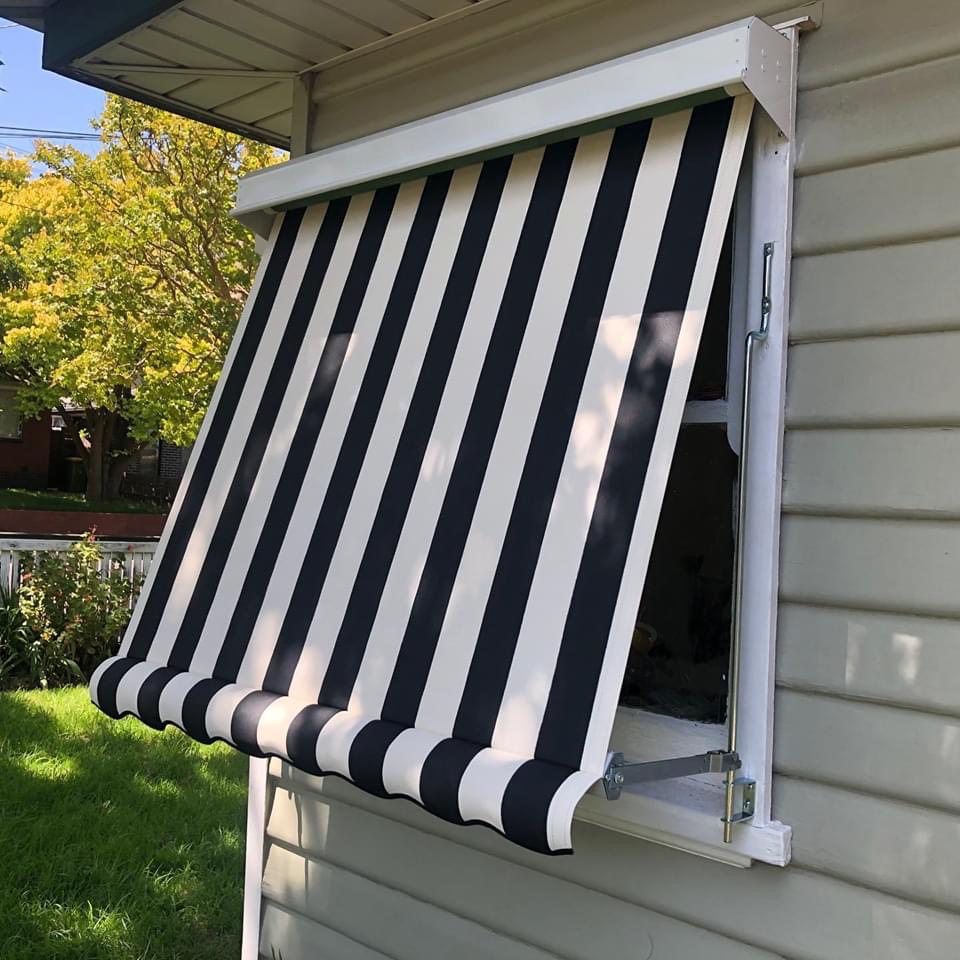
Quick answer: Canvas awnings are purpose-built fabric shading systems mounted over windows, doors, patios, and alfresco areas to block UV radiation, reduce heat gain, and extend outdoor living space. In Melbourne — where summer sun angles are intense and the weather shifts without warning — a quality canvas awning gives you real, year-round control over comfort and glare without sacrificing the view. Whether you are after a folding arm awning, a motorised retractable system, or a fixed canopy, the right choice depends on your orientation, exposure, and how much automation you want built in. If you are ready to explore what suits your home, the awnings page is the best place to start.
What Are Canvas Awnings — And Why Are Melbourne Homeowners Choosing Them?
If you have spent any time looking at renovated alfresco extensions, rooftop terraces, or contemporary pergola builds across Melbourne’s inner and middle-ring suburbs, you have almost certainly seen canvas awnings in action — even if you did not recognise the system by name.
The principle is straightforward. A tensioned fabric panel — traditionally woven canvas, though today most premium awnings use solution-dyed acrylic — is stretched across a frame mounted above a window, door, or outdoor living zone. The fabric intercepts direct sunlight before it reaches the glass or the space beneath, reducing radiant heat and UV exposure at the source rather than trying to manage it once it has already entered the room or area.
For Melbourne specifically, this matters more than many homeowners initially realise. West- and north-facing elevations receive prolonged afternoon and midday sun during summer, and without external shading, interior temperatures can rise dramatically — pushing air conditioning systems harder and inflating energy costs. The Australian Government’s YourHome guide consistently identifies external shading as the single most effective passive cooling strategy for Australian homes, and canvas awnings remain one of the most practical and cost-accessible ways to achieve it.
Beyond energy performance, Melbourne homeowners are choosing canvas awnings because they open up outdoor entertaining areas that would otherwise be unusable through the hottest months. A well-positioned folding arm awning or motorised retractable system transforms an exposed deck or patio into a genuinely comfortable outdoor room — usable from late morning through the afternoon without retreating inside.
Types of Canvas Awnings Available for Melbourne Homes
Not every canvas awning suits every situation. The orientation of your home, the size of the area you want to shade, your wind exposure, and how hands-on you want to be with daily operation all influence which system is right for you. Here is a clear breakdown of the main types available through Alfresco Blinds Co.
Folding Arm Awnings
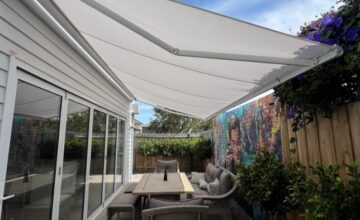
Folding arm awnings are the most popular retractable canvas shading system in Melbourne. Articulated arms extend outward from a wall-mounted cassette housing the rolled fabric, projecting shade over a deck or alfresco area without needing any front posts or legs. This keeps the outdoor space open, unobstructed, and easy to entertain in.
They retract fully when not needed — particularly important in Melbourne’s gusty southerly change conditions — and are available in manual crank, spring-operated, or fully motorised configurations. Projection widths from around 1.5 metres up to 4 metres are achievable depending on the arm system, making folding arm awnings suitable for everything from small balconies to large entertaining decks.
Pivot Arm and Drop Arm Awnings
Pivot arm awnings and drop arm awnings are typically installed over individual windows rather than full outdoor areas. The fabric hangs at an angle from the top of the window frame, blocking high-angle summer sun while still allowing views and airflow — particularly useful on north-facing windows that receive direct midday sun.
Drop arm awnings allow the front edge of the fabric to be lowered vertically, giving more privacy and a stronger glare-blocking effect in afternoon conditions. Both systems are available in canvas and solution-dyed acrylic fabrics through Alfresco Blinds Co, with a wide range of colours and striped patterns available.
Fixed and Straight Drop Awnings
Fixed canopy awnings are permanently set at a chosen angle and do not retract. They offer reliable, low-maintenance shading for entries, shopfronts, and outdoor walkways. Straight drop awnings — sometimes called straight drop blinds — drop vertically from a head box and can be tensioned at the base for a taut, clean appearance. These are a practical option for blocking low-angle western sun while maintaining ventilation.
Wire Guided Awnings
Wire guided awnings use tensioned stainless steel cables running vertically to guide the fabric as it raises and lowers. The cables are nearly invisible, giving the installation a clean, architectural finish. They are a popular choice for narrow openings, rooftop terraces, and contemporary alfresco builds across Melbourne’s inner suburbs where aesthetics are a priority.
Motorised and Retractable Awnings
Motorisation is now the preferred choice for most Melbourne homeowners installing a new canvas awning system. Motorised retractable awnings integrate with wall switches, remote controls, or smartphone apps, and can be connected to wind sensors that automatically retract the awning before a gust causes damage. This is particularly relevant in Melbourne’s coastal and open suburban areas where afternoon wind events are common.
Leading motor brands used in Australian installations include Somfy and similar quality automation systems, which offer reliable operation across thousands of cycles and come with manufacturer support readily available locally.
| Awning Type | Best For | Retractable? | Motorised Option? |
|---|---|---|---|
| Folding Arm Awning | Decks, alfresco areas, patios | Yes | Yes |
| Pivot / Drop Arm Awning | Windows, smaller openings | Yes | Yes |
| Fixed Canopy | Entries, walkways, shopfronts | No | No |
| Straight Drop Awning | Western sun, privacy, patios | Yes | Yes |
| Wire Guided Awning | Narrow openings, rooftop, contemporary builds | Yes | Yes |
Canvas Awning Fabrics — What Melbourne Conditions Actually Require
The term “canvas” historically referred to tightly woven cotton or linen fabric treated with wax or paint for weather resistance. Modern awning fabric has evolved considerably, and understanding the difference between fabric types helps you make a decision that performs across Melbourne’s full seasonal range — from scorching January afternoons to cold, damp July stretches.
Solution-Dyed Acrylic
This is the industry benchmark for premium outdoor awning fabric in Australia. Unlike fabrics where colour is applied to the surface, solution-dyed acrylic is pigmented through the entire fibre during manufacturing. This makes it highly resistant to UV fading, mould growth, and colour bleed when wet.
PVC-Coated and Laminated Fabrics
For applications where near-waterproof performance is needed — such as straight drop awnings or patio blinds in exposed locations — PVC-coated or laminated fabrics provide a stronger water barrier. They are heavier and less breathable than acrylic but suited to situations where rain exclusion is the primary goal. Suppliers such as MK Fabrics, HVG, and Bricos Group supply PVC outdoor fabrics commonly used in Australian commercial and residential installations.
Shade Mesh and Sunscreen Fabrics
Some canvas awning applications use open-weave shade mesh — offering partial UV block (typically 90–95% UV reduction) while maintaining airflow and a degree of visibility through the fabric. This is a popular choice for alfresco dining areas where ventilation matters as much as shade.
When comparing fabric options, always ask for the UV protection rating, the warranty period, and whether the colour is solution-dyed or surface-applied. A fabric with a 10-year colour warranty will outlast a cheaper alternative that fades within three to five years of Melbourne sun exposure.
How Canvas Awnings Perform in Melbourne’s Climate
Melbourne’s weather is famously variable — and this variability places real demands on outdoor shading systems. Understanding how canvas awnings behave across the seasons helps you set realistic expectations and choose the right system for your specific site conditions.
Summer Heat and UV Protection
Melbourne’s UV index regularly reaches the extreme range between October and March. Quality canvas awnings block a significant portion of solar radiation before it reaches the glass or the outdoor surface beneath — reducing radiant heat load substantially. The Cancer Council Australia recommends shade as a primary protective measure against UV exposure, and well-positioned awnings over alfresco entertaining areas provide meaningful protection for people spending time outdoors during peak UV hours.
Rain and Water Resistance
As noted above, solution-dyed acrylic awning fabrics are highly water-resistant and shed light to moderate rain effectively. They are not fully waterproof at the seams under sustained heavy rainfall. For areas where full rain exclusion is the objective — such as covering an outdoor kitchen or dining area — a straight drop awning with PVC fabric, a Ziptrak blind, or an outdoor channel blind provides a more complete weather seal.
Wind and Storm Conditions
Melbourne’s notorious southerly change and afternoon sea breezes mean that any retractable awning should be retracted during strong wind events. Motorised awnings with integrated wind sensors handle this automatically — the sensor detects wind speed above a set threshold and retracts the awning before loading occurs. This removes the risk of fabric tearing or arm damage during a sudden gust. If you are in an exposed position — on a rooftop, near the bay, or in an elevated suburb — this feature is effectively essential, not optional.
Winter Passive Solar Access
An often-overlooked advantage of retractable canvas awnings over fixed shading is that they can be fully retracted during winter, allowing low-angle winter sun to penetrate into the home and contribute to passive solar heating. This is particularly valuable on north-facing elevations where winter sun can significantly offset heating costs. Fixed canopies block this winter sun gain, which is why retractable systems are generally the preferred specification for energy-conscious Melbourne homeowners.
Canvas Awnings and Outdoor Blinds — How They Work Together
Canvas awnings are highly effective at overhead shading, but they do not address low-angle sun coming in from the sides, strong afternoon glare, or wind-driven rain entering from the front. For a fully weather-managed alfresco or patio space, awnings work best in combination with complementary outdoor blind systems.
Patio Blinds and Outdoor Roller Blinds
Patio blinds and outdoor roller blinds drop vertically to enclose the sides and front of a covered patio or pergola, providing wind and rain protection while maintaining the canvas awning’s overhead shading. Available in PVC clear, mesh, or blockout fabric, they give Melbourne homeowners the ability to close off an alfresco area completely during a weather event and reopen it on a fine day.
Ziptrak and Channel Blinds
Ziptrak blinds and outdoor channel blinds — also called outdoor blinds with side tracks — use a guided channel or zip system to hold the fabric securely against wind pressure. Unlike a free-hanging outdoor roller blind, the tracked edge resists billowing and provides a more complete weather seal. Combined with a folding arm canvas awning overhead, this creates an alfresco enclosure that can be used across most Melbourne weather conditions throughout the year.
Auto Sunblinds and Motorised Outdoor Blinds
For homeowners who want a fully integrated shading solution, motorised outdoor blinds and auto sunblinds can be controlled from a single interface — adjusting both the overhead canvas awning and the vertical drop blinds simultaneously. This level of automation makes daily shading management genuinely effortless and is particularly suited to large alfresco builds, rooftop entertaining areas, and homes where ease of use is a priority.
Canvas Awnings for Energy Efficiency — The Numbers Worth Knowing
External shading installed over north- and west-facing windows can reduce solar heat gain through glass by up to 90% compared to unshaded glazing, according to the YourHome design guide published by the Australian Government. This is not a marginal improvement — it translates to measurable differences in indoor temperature and air conditioning load during Melbourne’s summer months.
For homeowners with large west-facing glazing — increasingly common in contemporary Melbourne home designs that prioritise indoor-outdoor connection — a motorised canvas awning or retractable folding arm system is one of the highest-impact retrofits available. It addresses the heat source before it enters the building envelope, rather than managing the resulting heat load internally.
When combined with quality indoor roller blinds or sunscreen roller blinds on the interior glazing surface, the total solar heat reduction is substantially greater than either system delivers independently.
Installation — What to Expect When Fitting Canvas Awnings in Melbourne
The installation process for canvas awnings varies depending on the type, size, and mounting surface involved. Here is a realistic picture of what Melbourne homeowners should expect.
Site Assessment and Measurement
A quality installation begins with a professional measure and quote at your property. The installer needs to assess the mounting wall or fascia, confirm structural suitability for the bracket loads involved, check clearances, and identify any penetration or flashing requirements if the awning head box is mounted close to a roofline or window frame. Alfresco Blinds Co provides in-home consultations across Melbourne and surrounding areas, with experienced installers who have completed over 3,000 blind and awning installations across more than 100 locations.
Structural Mounting
Canvas awnings — particularly folding arm systems with significant projection — exert meaningful loads on their mounting fixings, especially under wind. Brackets must be fixed into structural elements: brick, concrete, steel framing, or suitably engineered timber framing. Installations into bagged render or fibre cement sheeting without appropriate backing are a known failure point and should always be assessed by an experienced installer rather than treated as a DIY project.
Motorisation and Wiring
Motorised awning installations require a 240V power supply at the awning head box position. In most cases this requires a licensed electrician to run cabling from the nearest circuit — a task that should be planned during the quoting stage. Wind sensor wiring and smart home integration points also need to be considered at this stage. Alfresco Blinds Co coordinates this process as part of the installation service.
Lead Times
Custom canvas awnings are made to order based on site measurements. Lead times in Melbourne typically run between three and six weeks from order confirmation depending on the manufacturer’s schedule and current demand. Booking early in the season — before the summer rush — generally results in shorter wait times.
How to Maintain Canvas Awnings — A Practical Melbourne Schedule
A well-maintained canvas awning will outlast a neglected one by several years. The following schedule is appropriate for most Melbourne residential installations.
- Every 3–6 months: Brush off loose debris using a soft broom or brush. Hose down with clean water and, where needed, apply a mild soap solution using a soft cloth or sponge. Rinse thoroughly and allow to dry completely before retracting.
- Annually: Inspect all bracket fixings and fasteners for corrosion or movement. Check arm pivot points for smooth operation and lubricate with a silicone-based lubricant if resistance is felt. Inspect fabric for small tears, fraying at edges, or stitch failure — address minor damage promptly to prevent it progressing.
- During strong wind events: Retract the awning. Do not leave a canvas awning extended in winds above approximately 40 km/h — even well-tensioned fabric and arms can be damaged or pulled free of fixings in a severe gust.
- Before winter: Clean and dry the fabric thoroughly before any extended period of wet weather. This prevents mould and mildew development on the stored fabric, which is the most common cause of premature deterioration in Melbourne’s cooler months.
Avoid pressure washers, bleach-based cleaners, or harsh solvents — these strip the protective coating from acrylic fabrics and dramatically shorten their service life. For guidance on fabric care, the Australian Awning Industry Association publishes care guidelines that align with most premium fabric manufacturer recommendations.
Frequently Asked Questions About Canvas Awnings
What is the lifespan of a canvas awning?
A quality canvas awning installed in Melbourne can last between 10 and 15 years with proper care. Solution-dyed acrylic fabrics hold colour and structural integrity significantly longer than cheaper woven or coated alternatives, particularly when exposed to Melbourne’s variable UV and rainfall conditions. Frames manufactured from powder-coated aluminium typically outlast the fabric itself and can be re-covered with new fabric when needed.
Are canvas awnings expensive?
Canvas awning costs in Melbourne vary depending on size, style, and whether the system is manual or motorised. A standard fixed or pivot arm awning typically starts from around $500–$1,200 installed, while a motorised folding arm awning covering a large alfresco area can range from $2,500 to $6,000 or more. Custom sizing, premium fabrics, and automation all influence the final investment. The best approach is a professional in-home measure and quote — contact Alfresco Blinds Co for an obligation-free assessment.
Are canvas awnings waterproof?
Most quality canvas awnings are highly water-resistant rather than fully waterproof. Solution-dyed acrylic fabrics resist moisture penetration effectively and shed light to moderate rain, but prolonged heavy rainfall can cause seepage at seams or pooling if the awning is not pitched correctly. For full weatherproofing, a straight drop awning or outdoor channel blind with a sealed track system offers superior rain protection.
What are the disadvantages of awnings?
Awnings do require periodic maintenance including cleaning, re-tensioning, and occasional fabric replacement. Fixed awnings cannot adapt to changing sun angles throughout the year. In Melbourne’s unpredictable wind conditions, retractable or motorised awnings are strongly recommended over fixed installations in exposed locations, as wind loading can stress fabric and frames over time. Motorised systems with wind sensors address this limitation almost entirely.
What can I use instead of an awning?
Melbourne homeowners looking for awning alternatives often consider outdoor roller blinds, Ziptrak blinds, patio blinds, louvred roof systems, or retractable roofs. Each offers different trade-offs between aesthetics, weather protection, and flexibility. Alfresco Blinds Co supplies and installs all of these systems across Melbourne and can advise on which best suits your specific space and budget.
How much does it cost to replace a canvas awning fabric?
Replacing the fabric on an existing canvas awning frame in Melbourne typically costs between $300 and $900 depending on awning size and chosen fabric. If the frame itself also requires replacement, total costs are higher and closer to a full new installation. Sourcing quality replacement fabric ensures long-term performance and colour stability.
How do I maintain a canvas awning in Melbourne?
Clean canvas awnings every three to six months using a soft brush and mild soapy water. Avoid harsh detergents or pressure washers as these strip protective coatings. Allow the fabric to dry fully before retracting to prevent mould growth. Inspect stitching, arms, and fixings annually and retract the awning during strong wind events. See the maintenance schedule above for a complete guide.
Do canvas awnings reduce energy bills?
Yes. External shading installed over north- and west-facing windows significantly reduces solar heat gain, lowering reliance on air conditioning during Melbourne summers. The Australian Government’s YourHome resource identifies external shading as one of the most effective passive cooling strategies for Australian homes. Canvas awnings are one of the most accessible and cost-effective ways to implement this strategy.
Can canvas awnings be motorised and connected to smart home systems?
Yes. Most modern folding arm and retractable canvas awning systems are available with motorised operation and can be integrated with smart home platforms via compatible motor brands. This includes wind sensor automation that retracts the awning automatically during strong wind events — a particularly valuable feature for exposed Melbourne locations. Speak to Alfresco Blinds Co’s motorised awning specialists about compatible automation options for your installation.
Are canvas awnings suitable for Melbourne apartment balconies?
Canvas awnings can be well suited to apartment balconies, though body corporate approval is typically required before installation. Folding arm systems, pivot arm window awnings, and wire guided systems are all used on Melbourne apartment balconies. A lightweight motorised cassette system is often preferred where wall penetrations need to be minimised. Always confirm strata or owners corporation requirements before proceeding with a quote.
Why Melbourne Homeowners Choose Alfresco Blinds Co for Canvas Awnings
Alfresco Blinds Co is a family-run Melbourne business founded by Chris Peroukaneas, who brings over 12 years of hands-on industry experience to every installation. With a combined team experience of more than 60 years across all aspects of blinds, awnings, shutters, and outdoor shading systems, the business has completed over 3,000 installations across more than 100 Melbourne locations.
Every canvas awning installation is backed by a 5-year warranty covering both product and workmanship. Alfresco Blinds Co sources fabric and hardware from premium Australian and international suppliers — including Outlook by Ricky Richards, Zepel Fabrics, Warwick Fabrics, MK Fabrics, Shaw Fabrics, Hoad Fabrics, Wilson’s Fabrics, Blindware, HVG, and Bricos Group — ensuring that every installation meets a consistent standard of performance and longevity.
Beyond canvas awnings, the full Alfresco Blinds Co range includes roller blinds, Ziptrak blinds, café blinds, outdoor channel blinds, patio blinds, aluminium plantation shutters, retractable roofs, louvred roof systems, curtains and drapes, and a comprehensive range of interior blinds — making it a genuinely one-stop source for whole-home shading in Melbourne.
Conclusion — Canvas Awnings Remain the Smart Choice for Melbourne Outdoor Living
Canvas awnings have remained a trusted outdoor shading solution for Melbourne homes because they genuinely work — blocking UV, reducing heat gain, extending outdoor entertaining seasons, and adding a clean architectural finish to any home exterior. The difference between a quality installation and a poor one comes down to fabric choice, frame engineering, correct mounting, and whether the system is properly matched to the site’s wind and sun exposure conditions.
Whether you are considering a motorised folding arm awning for a large alfresco area, a pivot arm canvas awning over a north-facing window, or a wire guided system for a rooftop terrace, getting the specification right from the start pays dividends across the lifetime of the installation. A canvas awning is not a set-and-forget purchase — but with the right product and a professional Melbourne installation, it is one of the highest-value outdoor improvements you can make to your home.
Alfresco Blinds Co provides obligation-free in-home consultations across Melbourne, with experienced consultants who understand the local climate conditions, strata requirements, and building types that are specific to Melbourne’s suburbs. With a 5-year warranty, 60-plus years of combined team experience, and a track record of more than 3,000 completed installations, the business is equipped to advise, supply, and install the right canvas awning system for your home — the first time.
 Previous

Follow Us on Instagram
