
 1300 735 077

Wire Guide Outdoor Blinds Melbourne: A Buying Guide
Alfresco Blinds Co
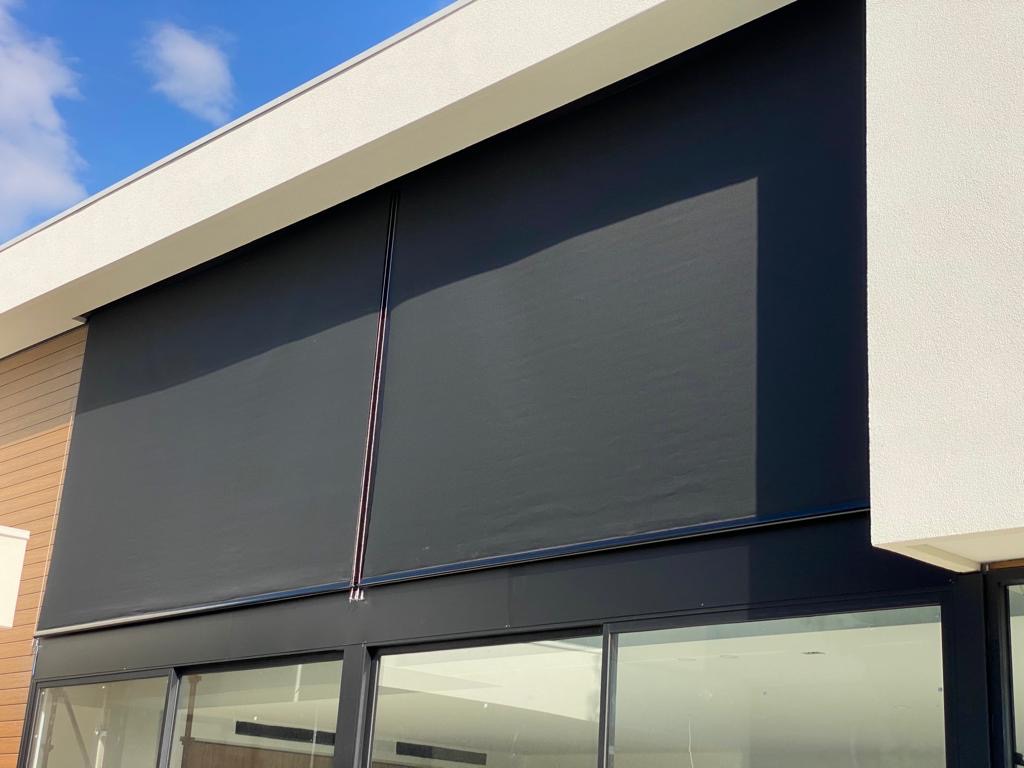
Wire guide outdoor blinds use tensioned stainless steel cables to guide a retractable blind without bulky side tracks. Available with manual or motorised operation, they suit sheltered Melbourne patios, balconies, verandahs, and external windows where shade, privacy, and a minimalist look matter more than full weather protection.
Melbourne’s changing weather can make an otherwise beautiful outdoor space uncomfortable for much of the year. Wire guide outdoor blinds offer a practical way to manage sunlight, glare and privacy without compromising your home’s architectural appearance.
However, choosing the wrong fabric, overlooking wind exposure or comparing quotations based solely on price can lead to disappointing results.
Whether you are upgrading a balcony or creating a more comfortable alfresco area, this guide explains the costs, hardware, fabric options and seven essential checks to help you choose the right system.
What Are Wire Guide Outdoor Blinds?
Wire guide outdoor blinds are retractable external shading systems that use tensioned cables positioned vertically on either side of the blind. Unlike conventional track-guided systems, these cables guide the bottom rail without requiring full-length side channels.
A typical wire guide blind consists of:
- A fabric roller mounted above the opening.
- Stainless steel guide cables.
- Upper and lower mounting brackets.
- An aluminium bottom rail.
- A manual crank or motorised operating mechanism.
- A protective pelmet or headbox, depending on the configuration.
As the blind moves, the bottom rail follows the cables, helping maintain alignment and reduce excessive movement.
Their slim hardware makes them particularly attractive for contemporary homes where large side channels would interfere with the overall design.
Where Do Wire Guide Blinds Work Best?
The effectiveness of wire guide blinds depends on the location, available fixing points and exposure to Melbourne’s changing weather.
Wire Guide Blinds for Melbourne Verandahs and Balconies
Balconies and verandahs often have open sides, glass balustrades or architectural designs that make installing conventional side tracks difficult.
Wire guide systems can provide:
- Adjustable protection from direct sunlight.
- Reduced glare during the afternoon.
- Additional daytime privacy.
- Minimal visual obstruction when retracted.
- A streamlined appearance without bulky side channels.
For upper-storey balconies, however, wind exposure and structural fixing requirements should be assessed before installation.
Patios and Pergolas
Wire guide blinds can make sheltered outdoor entertaining areas more comfortable without creating a permanently enclosed space.
They are particularly useful for patios that receive strong morning or afternoon sunlight but already benefit from overhead shelter.
If your main objective is to minimise wind-driven rain or create a more enclosed entertaining area, compare these systems with patio and pergola blinds that provide greater side retention.
External Windows
External window shading helps intercept sunlight before it reaches the glass, making it useful for rooms that become excessively warm during summer.
In fact, adjustable external shading can help manage unwanted summer heat while allowing beneficial sunlight into the home during cooler months.
This is particularly relevant for east- and west-facing Melbourne windows, where low-angle sunlight can be difficult to manage using overhead shading alone.
For these applications, wire guided window awnings offer another practical option.
Cafés and Commercial Outdoor Areas
Wire guide blinds can also suit sheltered commercial seating areas where maintaining an open appearance is important.
They help manage glare and sunlight while allowing businesses to adjust their outdoor spaces throughout the day. More exposed hospitality areas may benefit from track-guided alternatives instead.
How Much Do Wire Guide Outdoor Blinds Cost in Melbourne?
As an indicative 2026 budgeting guide, wire guide outdoor blinds in Melbourne may cost approximately $500 to $1,800 or more per blind, depending on the dimensions, operation method and installation requirements.
Estimated Wire Guide Blind Installation Costs
| Blind configuration | Indicative cost per blind |
| Standard manual crank-operated blind | 500–1,200 |
| Standard motorised wire guide blind | 900–1,800+ |
| Large or complex custom installation | Individually quoted |
These figures are general market estimates in Australian dollars, not fixed installation prices.
What Influences the Installation Cost?
The final price depends on several factors:
- Blind dimensions: Larger widths and drops require more fabric and potentially heavier hardware.
- Fabric selection: Premium sunscreen mesh and specialised fabrics can increase the price.
- Operation method: Motors, remote controls and compatible automation add to the overall investment.
- Protective pelmets: Headboxes and custom finishes may affect the quotation.
- Installation height: Upper-storey installations can require additional access equipment.
- Fixing requirements: Unsuitable mounting surfaces may require structural preparation.
- Electrical work: Hardwired motorised systems may require a separate electrical installation.
When comparing quotations, check whether GST, installation, hardware, electrical work and any additional access requirements are included. Remember, a lower initial price is not necessarily better value if essential components have been excluded.
Hardware and Technical Specifications: What Should You Look For?
The hardware is just as important as the fabric when selecting wire guide outdoor blinds. Poorly specified components can affect alignment, appearance and long-term reliability.
Stainless Steel Guide Cables
Stainless steel cables provide corrosion resistance and guide the blind as it moves between its raised and lowered positions.
For coastal and bayside Melbourne properties, ask whether 316 marine-grade stainless steel cables and compatible corrosion-resistant fittings are available.
Also, ensure the cable tension can be checked and adjusted when required.
Protective Pelmets and Headboxes
A protective pelmet helps shield the roller and retracted fabric from direct weather exposure.
Options such as COLORBOND® steel pelmets and enclosed aluminium headboxes can provide different levels of protection and architectural finishes.
The most suitable design depends on the roller configuration and installation location.
Powder-Coated Aluminium Bottom Rails
The bottom rail helps maintain the shape and alignment of the deployed blind.
A suitably specified powder-coated aluminium rail can offer:
- Resistance to everyday outdoor exposure.
- A consistent architectural finish.
- Improved alignment during operation.
- Compatibility with guide cable fittings.
Secure Mounting Brackets
Wire guide blinds rely on secure upper and lower fixing points.
Depending on the installation, these may include floor-mounted brackets, wall-mounted fittings or suitable sill fixings.
The mounting surface must be capable of supporting the system and its operating loads. Decorative cladding alone should not be assumed to provide adequate structural support.
How Wind Resistant Are Wire Guide Outdoor Blinds?
Wire guide outdoor blinds offer better guidance than freely hanging blinds, but they are generally better suited to sheltered or moderately exposed locations.
The guide cables help control the movement of the bottom rail. However, because the fabric edges are not continuously retained within side tracks, the blind can still move or deform under wind pressure.
What Wind Rating Should You Look For?
There is no single wind rating suitable for every wire guide blind installation.
Before purchasing, ask for the manufacturer’s operating wind limits for your specific system, considering:
- Blind width and drop.
- Fabric type and porosity.
- Building height and orientation.
- Exposure to prevailing winds.
- Cable tension and mounting hardware.
- Structural fixing conditions.
Avoid relying on a generic wind-speed figure that does not account for these factors.
Blinds should be retracted before conditions exceed the manufacturer’s specified operating limits.
Can Wind Sensors Protect Motorised Blinds?
Compatible automated wind sensors can instruct a motorised blind to retract when a configured wind threshold is reached.
Nevertheless, wind sensors are an additional precaution rather than a guarantee against storm damage. Sudden gusts, power interruptions or unsuitable sensor placement may prevent timely retraction.
If your property experiences frequent strong winds, a suitable side-retained blind system may be a better investment.
Wire Guide vs Channel Guided Outdoor Blinds
Choosing between outdoor blind systems becomes easier when you understand how their hardware affects everyday performance.
| Feature | Wire guide | Channel guided | Zip-guided systems |
| Side hardware | Slim cables | Fixed side channels | Side-retention tracks |
| Visual appearance | Minimalist | More structured | Streamlined track system |
| Fabric edge retention | Limited | System dependent | Continuous on compatible designs |
| Wind stability | Suitable for sheltered areas | Generally improved | Often greater, subject to rating |
| Side light gaps | Usually present | Reduced | Generally smaller |
| Rain protection | Limited at the sides | Fabric and system dependent | Improved, but not fully waterproof |
| Manual operation | Available | Available | Available |
| Motorised operation | Available | Available | Available |
| Relative cost | Generally lower to moderate | Moderate | Moderate to higher |
| Ideal application | Windows and sheltered balconies | Patios requiring greater guidance | Alfresco areas requiring greater enclosure |
Wire guide blinds are particularly appealing when visual simplicity and adjustable shading are the main priorities.
However, if greater fabric retention and fewer side gaps matter more, you may compare Ziptrak® outdoor blinds and Zipscreen® blinds before making a decision.
Choosing the Right Fabric for Wire Guide Blinds
Your fabric selection determines how effectively the blind controls sunlight, glare, privacy, airflow and views.
Sunscreen Mesh Fabric
Sunscreen mesh is a practical choice for outdoor spaces where ventilation and outward visibility are important.
Depending on its construction and openness factor, sunscreen mesh can:
- Reduce direct sunlight and glare.
- Filter ultraviolet radiation.
- Allow varying levels of airflow.
- Maintain partial outward visibility.
- Provide additional daytime privacy.
A more tightly woven fabric generally offers greater screening, although actual UV protection should be checked against the fabric’s technical specifications.
Clear or Tinted PVC
Clear PVC allows natural light and views to pass through while helping reduce direct rain penetration through the material itself.
However, PVC is not suitable for every wire guide system, and the open edges can still allow wind-driven rain to enter.
It may also restrict ventilation and contribute to uncomfortable heat buildup in sunny conditions.
If rain protection is your main priority, explore purpose-designed PVC outdoor blinds and compatible side-retained systems.
Acrylic and Canvas Fabrics
Acrylic and canvas fabrics offer a more traditional appearance and can provide substantial shading for external windows.
They are suitable for homeowners who prioritise sun protection and visual screening over maintaining an unobstructed view.
Blockout Fabric
Where compatible with the selected outdoor blind system, blockout fabric provides substantial light reduction through the material.
However, wire guide systems generally retain small gaps along the sides. Therefore, blockout fabric alone will not create complete darkness or absolute privacy.
Always confirm that the selected fabric is approved for external use and compatible with the proposed hardware.
Manual vs Motorised Wire Guide Blinds
Both manual and motorised wire guide blinds offer practical benefits. The best option depends on how frequently the blinds will be used and how accessible they are.
Manual Crank-Operated Blinds
Manual blinds are worth considering when:
- The operating mechanism is easily accessible.
- You only need to adjust one or two blinds.
- Keeping the initial installation cost down is important.
- Electrical access is limited.
Motorised Wire Guide Blinds
Motorisation can be particularly useful for large blinds, upper-storey windows and installations with multiple openings.
Depending on the selected motor and controller, motorised systems may support:
- Remote control operation.
- Wall-mounted controls.
- Smartphone connectivity.
- Scheduled operation.
- Compatible sun and wind sensors.
- Grouped operation across multiple blinds.
If convenience and frequent adjustment are important, compare the available motorised blind and awning options before finalising your installation.
7 Things to Check Before Buying Wire Guide Outdoor Blinds
1. Assess Your Property’s Wind Exposure
Wire guide blinds are generally best suited to sheltered or moderately exposed locations. Ask for the system’s documented wind limits, particularly for upper-storey balconies and open coastal properties.
2. Check the Available Mounting Surfaces
The blind requires suitable upper and lower fixing points. The installer should inspect the supporting structure and confirm whether additional mounting preparation is needed.
3. Choose Fabric Based on Your Main Priority
Select sunscreen mesh for adjustable shade and ventilation, acrylic for stronger visual screening, or a compatible PVC system when rain protection is more important.
4. Confirm the Hardware Specifications
Check the cable material, mounting brackets, bottom rail, protective pelmet and corrosion resistance. These components influence the system’s reliability and ongoing maintenance requirements.
5. Compare Manual and Motorised Operation
Manual operation may be sufficient for accessible, occasionally used blinds. Motorised operation is often more convenient for high, wide or frequently adjusted installations.
6. Understand the System’s Side Gaps
Wire guide blinds generally have open gaps along their edges. If greater privacy, reduced draughts or improved weather protection is essential, consider a side-retained system.
7. Request a Detailed Installation Quotation
A complete quotation should identify the blind dimensions, fabric, guide cables, pelmet, operation method, installation charges and applicable warranty conditions.
Comparing these details helps you evaluate the whole installation rather than simply choosing the cheapest option.
Frequently Asked Questions
Wire guide awnings use tensioned cables to guide the bottom rail, while channel guided blinds use fixed side channels. Wire guide systems provide a more minimal appearance, whereas suitable channel-guided systems offer greater fabric guidance and reduced side gaps.
Guide wires are secured using suitable floor, sill or wall-mounted brackets. Tensioning hardware maintains cable alignment, while the exact fixing method depends on the blind system and supporting structure.
Light and UV reduction depend on the selected fabric. Sunscreen mesh filters sunlight while maintaining some visibility, whereas compatible blockout fabrics reduce more light. Check the manufacturer’s UV protection and openness specifications before purchasing.
Wire guide outdoor blinds are generally intended for sheltered or moderately exposed locations, not severe weather. Retract them before wind conditions exceed the manufacturer’s operating limits and compare side-retained alternatives for more exposed installations.
Yes. Compatible wire guide awnings can be motorised for remote or wall-switch operation. Smartphone controls, scheduling and weather sensors may also be available depending on the selected motor and control system.
Indicative prices range from around $500 to $1,800 or more per blind, depending on size, fabric, motorisation and installation complexity. Request a site-specific quotation to confirm the complete installed cost.
Clean the fabric and hardware according to the manufacturer’s instructions, inspect the cables and mounting brackets periodically, and arrange professional adjustment if the blind becomes misaligned or difficult to operate.
Choosing the Right Outdoor Blinds for Your Melbourne Home
Wire guide outdoor blinds can be an excellent investment when adjustable shade, a streamlined appearance and an open outdoor environment are your main priorities.
However, the right system should also match your property’s wind exposure, structural conditions, fabric requirements and everyday lifestyle.
If you are planning to upgrade your outdoor space, a professional measure and assessment can help you compare suitable configurations and understand the complete installation cost before making a decision.
Explore the available outdoor shading options or arrange a free measure and quote to find a solution suited to your property.
 Previous


Follow Us on Instagram
