
 1300 735 077
A 2026 Guide to Motorised Blinds for Australian Homes
Alfresco Blinds Co
There’s a moment most Australian homeowners know well. It’s 7 am on a February morning, the sun’s already baking through the east-facing bedroom window, and you’re fumbling with a cord or a wand trying to get the blinds down before the room turns into an oven. Or maybe it’s the opposite — it’s a cool winter evening, the last light is fading, and you don’t want to get up from the couch to close the blinds in the lounge.
Motorised blinds solve both of those problems. They also solve a handful of others you might not have considered yet.
In 2026, motorised blinds aren’t a luxury reserved for architecturally designed homes or tech-obsessed early adopters. They’ve moved firmly into the mainstream, and Australian homeowners are catching on fast. Prices have dropped significantly over the past few years, the technology has become genuinely reliable, and the range of products that work with Australian conditions — think UV-blocking fabrics, humidity-resistant materials, and solar-powered options — has never been better.
That said, motorised blinds aren’t right for every home or every budget. They come with real trade-offs, and the installation cost can catch people off guard if they haven’t done their research. The market is also full of options that range from excellent to genuinely poor, and knowing what to look for matters.
This guide covers everything you need to make an informed decision. We’ll look at the types of motorised blinds available, how the technology works, what it actually costs to install them across Australian homes, and an honest breakdown of what’s good — and what’s not — about going motorised. We’ve worked with thousands of Australian homeowners over the years, and the questions we get asked most often are the ones we’ve answered here.
Whether you’re fitting out a new build, renovating, or simply tired of manual blinds in a hard-to-reach spot, this is the guide to start with.
Types of Motorised Blinds
The term ‘motorised blinds’ covers a wide range of products. Before you start getting quotes or browsing product catalogues, it helps to understand what’s actually available — because the type of blind you choose will affect both the cost and how well it performs in your specific home.
Roller Blinds
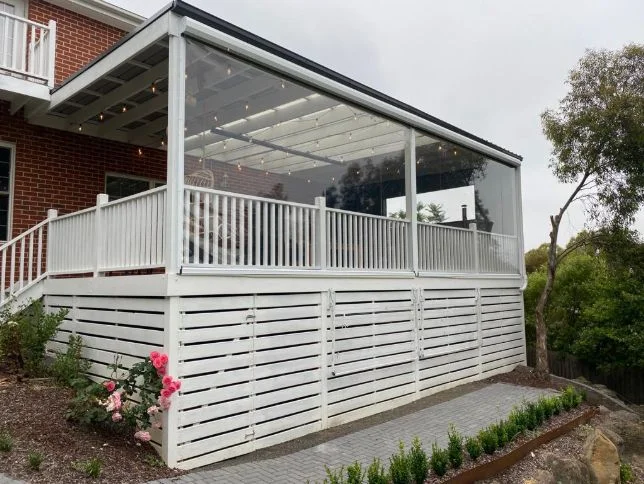
Motorised roller blinds are the most popular choice in Australian homes right now, and for good reason. They’re clean, minimal, and come in a huge range of fabrics — from light-filtering sheers to blackout blockouts. The motor sits inside the barrel of the blind and is barely noticeable. For homes with large windows or high ceilings (think the kind of floor-to-ceiling glazing that’s become standard in new builds across Queensland and New South Wales), motorised rollers are often the only practical solution. Manually operating a blind that’s four metres wide or three metres up a wall is awkward at best, dangerous at worst.
Roman Blinds
Roman blinds have a softer, more traditional look that suits older-style homes and those with a more classic interior aesthetic. Adding a motor to a Roman blind keeps that look while removing the need to pull cords — which is both a convenience win and a safety improvement, especially in homes with young children. Motorised Roman blinds do tend to cost more than roller options, partly because of the more complex mechanism required.
Venetian Blinds
Motorised Venetian blinds — both aluminium and timber — allow you to adjust slat angle and raise or lower the blind via remote or smartphone. They’re a good fit for rooms where you want precise light control without the glare. In Australia, aluminium Venetians are popular in humid coastal climates because they don’t warp or swell the way timber can.
External Motorised Blinds
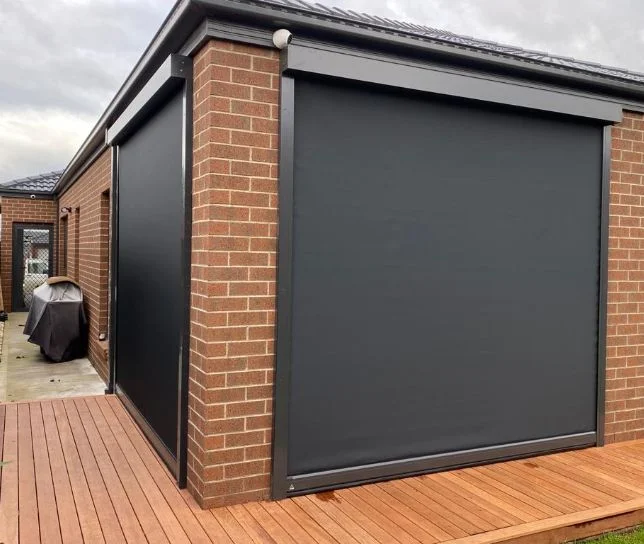
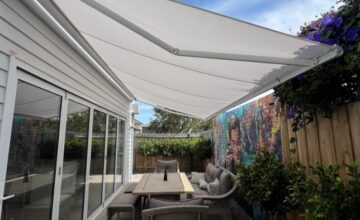
This is where things get particularly relevant for Australia. External motorised blinds — sometimes called outdoor roller blinds or
This is where things get particularly relevant for Australia. External motorised blinds — sometimes called outdoor roller blinds or external zip-track blinds — are fitted on the outside of the building and are designed to block heat before it even reaches the glass. They’re especially effective in climates like Perth, Adelaide, and Darwin, where summer temperatures are extreme. Many of these systems integrate with wind sensors that automatically retract the blinds if conditions get too gusty.
Honeycomb (Cellular) Blinds
Motorised honeycomb blinds are a strong performer for insulation. Their cellular structure traps air, which means they help keep heat out in summer and warmth in during winter. They’re quieter than roller blinds when operating and work well in bedrooms where noise matters.
The Role and Necessity of Motorised Blinds
Motorised blinds aren’t just about convenience — though convenience is genuinely a big part of it. There are real, practical reasons why more Australian homeowners are choosing them, and some of those reasons go beyond simply avoiding the walk across the room.
Managing Australian Heat
Australia’s climate is one of the most compelling cases for motorised blinds anywhere in the world. In summer, the difference between a well-shaded room and an unshaded one can be 8–12°C. Studies from the Australian Building Codes Board have shown that window coverings are one of the most effective passive strategies for reducing indoor heat gain. Motorised blinds make it easier to actually use that strategy — because they can be set on timers or linked to temperature sensors, so they’re closing before the afternoon sun hits, not after you’ve noticed the room is already hot.
Accessibility and Ease of Use
For older Australians, people living with mobility challenges, or anyone who’s had a shoulder or wrist injury, the ability to open and close blinds without pulling cords or twisting wands is genuinely life-changing. This isn’t a minor point. As Australian homes age along with their occupants, accessible design is something that’s finally being taken seriously in the industry, and motorised window treatments are a straightforward way to future-proof a home.
Hard-to-Reach Windows
Skylights, stairwells, high clerestory windows, above-door fanlights — these are all situations where a manual blind is somewhere between difficult and impossible to operate. Motorised blinds make these windows functional rather than decorative. That matters both for comfort and for the resale appeal of a home.
Smart Home Integration
For those building or renovating with a smart home system — whether that’s Google Home, Amazon Alexa, Apple HomeKit, or a dedicated system like Control4 — motorised blinds can be integrated into broader automation routines. Wake up and the blinds open with the lights. Leave the house and everything closes. It sounds flashy, but the practical energy savings from consistent use are measurable. See our smart home compatibility guide for full details on which motors work with which platforms.
Understanding the Costs of Motorised Blinds
Let’s talk numbers, because this is where a lot of homeowners get surprised.
As a rough starting point, motorised blinds typically cost anywhere from $300 to $1,500+ per blind in Australia, depending on size, fabric, motor type, and whether you’re going with a battery, hard-wired, or solar-powered option. That’s a wide range, so it’s worth unpacking what sits at each end.
Battery-Powered Motors
The most affordable way into motorised blinds is usually a battery-powered motor. These don’t require any electrical work, which keeps installation costs down considerably. The motor sits inside the blind and is recharged via USB or a solar charging strip. Brands like Somfy and Rollease Acmeda — both of which sell widely across Australia — have battery motors that last 12–18 months on a single charge under normal use. For homeowners who want to add a motorised blind to an existing room without opening up the wall, this is often the most practical path.
Hard-Wired Motors
Hard-wired motors are more powerful, more reliable long-term, and better suited to larger or heavier blinds. But they require a licensed electrician to install, which adds to the overall cost. If you’re building new or doing a significant renovation where walls are already open, hard-wiring makes a lot of sense. If you’re retrofitting into a finished home, the cost of getting power to each blind location adds up quickly.
Solar-Powered Motors
Solar-powered motors are a relatively newer option that’s become increasingly appealing in Australia — partly because we have no shortage of sunshine. A small solar panel on the blind face keeps the motor charged indefinitely in most Australian conditions. They sit in pricing between battery and hard-wired and are particularly good for north-facing windows that get consistent sun exposure.
Fabric and Blind Type
The motor is only part of the cost equation. Fabric selection — whether you’re going with a basic light-filter, a UV-blocking outdoor mesh, a blackout weave, or a premium natural fibre — adds significantly to the price. Larger blinds obviously cost more. A standard 1.8m wide roller blind in a quality blockout fabric with a battery motor sits in a different price bracket to a 3.5m wide external zip-track blind with a hard-wired motor and wind sensor.
Installation Costs and What Affects Them
Installation costs for motorised blinds in Australia vary considerably, but here’s what you can generally expect.
For battery-powered motorised blinds, a professional installer typically charges $80–$150 per blind for supply and fit, with the blind itself on top. Hard-wired installations add the cost of electrical work — usually $80–$120 per hour for a licensed electrician, plus any additional cabling. For a full home installation with hard-wired blinds, it’s not unusual for the electrical component alone to run to $600–$1,200.
What Drives the Cost Up
Several factors push installation costs higher. Access difficulty is a big one — blinds installed at height, over stairs, or in awkward ceiling configurations take longer and sometimes require specialised equipment. The number of blinds being installed matters for overall budget but generally reduces per-blind cost when done at once. Integration with smart home systems adds cost both in terms of compatible motors (which cost more than standard ones) and any programming time required. Custom-sized blinds for non-standard windows are priced differently to standard sizes.
What Drives the Cost Down
Doing multiple blinds in a single visit is the most reliable way to reduce cost per blind — installers don’t charge travel time multiple times, and the job flows more efficiently. Opting for battery motors instead of hard-wired removes electrical costs entirely. Choosing standard-width fabrics and motor sizes avoids custom manufacturing premiums. And getting competitive quotes from two or three suppliers is always worth doing in Australia’s fragmented blind market.
DIY vs. Professional Installation
Some battery-powered motorised blinds can be installed as a DIY project. The blind itself clips or brackets into place much like a manual blind, and there’s no electrical work involved. For confident DIYers, this is a legitimate money-saving option. That said, getting the brackets level, ensuring the blind operates smoothly, and programming the motor correctly takes more time and effort than most people expect. For hard-wired installations, professional installation by a licensed electrician isn’t optional — it’s a legal requirement in Australia. See our motorised blind installation guide for a step-by-step walkthrough of what’s involved.
Advantages of Motorised Blinds
There’s a reason motorised blinds have grown from a niche product to a mainstream home improvement in Australia over the past decade. The advantages are real and, for many homeowners, genuinely compelling.
Convenience That Actually Gets Used
Manual blinds often don’t get used as often as they should — because opening and closing them is one more thing to do. Motorised blinds with remotes, timers, or voice control get used consistently. That might sound like a minor point, but consistent use means you’re actually getting the light control, privacy, and thermal benefit you paid for.
Better Thermal Performance
When motorised blinds are set on a timer or paired with a temperature sensor, they can close before the room heats up rather than after. That difference matters enormously in Australian summers. An east-facing bedroom with a motorised blind that closes at 7:30 am stays meaningfully cooler than one where the blind doesn’t get closed until someone notices the heat at 9 am. Over a summer, that kind of consistent, automated management can reduce cooling costs noticeably.
Safety — Especially for Families
Corded blinds have been a documented safety hazard for young children in Australia for decades. Motorised blinds are cordless, which eliminates that risk entirely. The Australian Competition and Consumer Commission has long flagged blind cords as a serious hazard, and going motorised is the most complete solution to the problem. For families with young children, this advantage alone is often enough to justify the cost.
Suited to Large and Difficult Windows
As noted earlier, large windows, high windows, and awkward locations are where motorised blinds go from being a nice option to the only sensible one. Trying to manually operate a 3-metre-wide blind is impractical and, over time, hard on the mechanisms. A motorised system handles the weight and size without strain.
Property Value and Appeal
Motorised blinds are increasingly listed as a selling feature in Australian real estate. In new builds especially, buyers expect a level of automation and polish that motorised window treatments deliver. It’s hard to put a precise dollar figure on the added value, but in a competitive market, a well-finished home with integrated motorised blinds presents better than one without.
Works Well in Humidity
Australian coastal climates — particularly in Queensland, the Northern Territory, and along the NSW coast — can be brutal on window furnishings. Motorised rollers with moisture-resistant fabrics and aluminium or marine-grade components hold up in humidity in a way that some manual systems (particularly timber Venetians) simply don’t. Motorised blinds in humid climates are often a more durable long-term choice. Read our guide to choosing blinds for coastal and humid Australian climates for more on materials and motor types suited to these conditions.
Disadvantages of Motorised Blinds
No product guide worth reading pretends everything is perfect. Motorised blinds have real limitations, and if any of the following are dealbreakers for you, it’s better to know that before you spend the money.
The Upfront Cost Is Higher
There’s no getting around this. Motorised blinds cost more than manual blinds — sometimes two to three times more. For a full home installation, that gap can be significant. If budget is tight or if you’re furnishing a rental property where longevity and aesthetics aren’t the priority, manual blinds might simply be the more sensible choice. The long-term operational savings are real, but the payback period can be years, not months.
Motors Can Fail
Motorised blinds have a motor, and motors can fail. Most quality motors carry a 3–5 year warranty, and the better brands (Somfy, for instance) have strong track records for reliability. But if a motor fails outside warranty, replacement can be expensive — particularly if the blind is hard-wired, as you’ll need an electrician again. Compared to a manual blind, which can often be repaired with basic tools, a failed motorised blind is a more involved fix.
Power Dependency
Hard-wired blinds need power to operate. In a blackout, that means they stay wherever they are. Battery and solar models can still be operated manually in most cases, but it’s worth checking before you buy — some motors allow a manual override, others don’t. In parts of Australia prone to extended blackouts (bushfire-affected areas, regional locations with less reliable grid access), this is a practical consideration.
Not All Smart Home Systems Play Nicely Together
If you’re planning to integrate motorised blinds into a broader smart home setup, compatibility matters and it can be frustrating. Not every motorised blind brand works with every smart home platform. Somfy’s TaHoma system, for example, has its own ecosystem. Cheaper brands sometimes offer Zigbee or Z-Wave integration, but reliability varies. Do the compatibility research before buying — ideally, confirm with your supplier that the blind and your smart home system have been tested together. Our smart home integration guide covers the main platforms and which motors are compatible.
Battery Maintenance
Battery-powered motors require periodic recharging. For most homes, this means once every 12–18 months, which is manageable. But for a large installation with many blinds, recharging each one becomes a scheduled maintenance task. It’s not onerous, but it’s not zero effort either. Some homeowners find this genuinely annoying; others don’t give it a second thought.
The Quality Range Is Wide
The Australian blind market includes products from reputable, well-supported brands and products that are cheap imports with little to no after-sales support. The price difference between them can be substantial, and it’s not always obvious at point of purchase which you’re dealing with. Buying through an established supplier who can stand behind the product — and who’ll be around in three years if something goes wrong — matters more with motorised blinds than it does with manual ones. See our full motorised blinds range to compare the brands and motor types we carry.
So, Are Motorised Blinds Worth It?
If motorised blinds have made it onto your radar, there’s probably a good reason for it. Maybe it’s the high windows in your new build. Maybe it’s the west-facing living room that turns into a furnace every afternoon from November through March. Maybe it’s the safety question — a young family, corded blinds, and a nagging awareness that the two don’t mix well.
Whatever’s driving the interest, here’s the honest answer: motorised blinds are worth it for a lot of Australian homes. Not all of them. But a lot.
They perform best in homes with large or difficult windows, in climates where consistent sun management makes a real difference to comfort and energy bills, and for homeowners who’ll actually use the automation features rather than leave them unconfigured. They’re also the right call anywhere that cord safety is a concern — which, frankly, is any home with children under ten.
Where they’re harder to justify is in a small rental, a home where every window is already easy to reach, or a budget where the upfront premium simply isn’t feasible right now. Manual blinds, well-chosen, still do a good job.
But if you’ve read this far, you’re probably not on the fence about whether motorised blinds are interesting. You’re figuring out whether they make sense for your specific home. That’s exactly the right question — and the answer depends on your windows, your climate, your household, and your budget. There’s no universal answer, but there is a right answer for your situation.
At Alfresco Blinds Co., we’ve helped Australian homeowners work through that question thousands of times. We know the products, we know the climates, and we’re not going to recommend something that doesn’t suit your home.
Ready to Talk Through Your Options?
Getting a quote for motorised blinds doesn’t have to be complicated. We offer obligation-free consultations for Australian homeowners — whether you’re at the early research stage or ready to move forward.
Here’s what happens when you reach out to us:
We’ll ask about your home, your windows, and what you’re hoping to achieve — light control, heat management, accessibility, or all of the above.
We’ll recommend products that suit your specific situation, including motor type, fabric, and any smart home compatibility you need.
We’ll give you a clear, itemised quote with no hidden costs — so you know exactly what you’re getting and what it’ll cost before you commit to anything.
No pressure. No jargon. Just straight answers from people who know this product inside out.
Get in touch with the Alfresco Blinds Co. team today — we’re here to help you make the right call for your home.
 Previous

Follow Us on Instagram
